
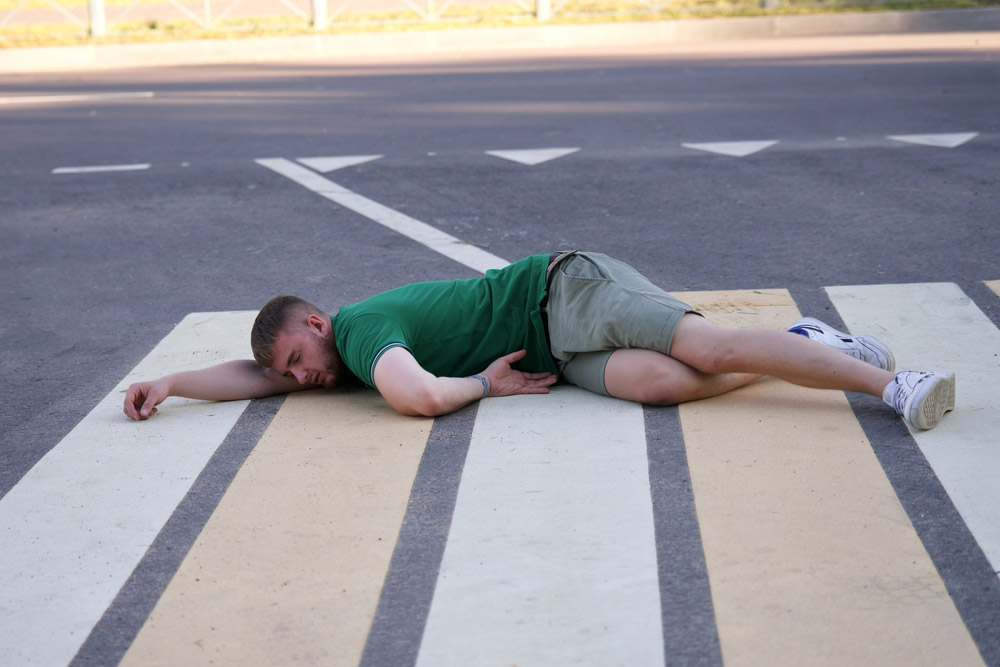
Crosswalks are designed to be one of the safest places for pedestrians to cross the street. They are clearly marked, often controlled by signals, and legally prioritize pedestrian movement. Yet, despite these protections, crosswalk accidents continue to occur at alarming rates, especially in busy urban environments like San Diego. These incidents are often severe because pedestrians have little to no protection when struck by a vehicle.
Many people assume that if a pedestrian is in a crosswalk, liability is always straightforward. However, the reality is more complex. Insurance companies often attempt to shift blame, minimize injuries, or argue that the pedestrian contributed to the accident. Understanding the dangers of crosswalk accidents and how liability works is essential for protecting your rights.
At AK Injury Law Firm, we approach pedestrian accident cases with a strategic mindset. Our founder, Dr. Azadeh Keshavarz, brings a unique perspective as a former doctor of chiropractic who witnessed how accident victims are treated by insurance companies. As a female-owned personal injury firm, we combine medical knowledge with legal strategy to build powerful cases. Our approach is defined by one principle: Outthink, Outfight, Outwin.
Why Crosswalk Accidents Are So Dangerous
Crosswalk accidents are particularly dangerous because of the extreme vulnerability of pedestrians. Unlike drivers, pedestrians have no structural protection, airbags, or safety restraints. When a vehicle strikes a pedestrian, the human body absorbs the full force of the impact.
Several factors contribute to the severity of crosswalk accidents:
- Direct impact between vehicle and pedestrian
- Secondary impact with the ground or nearby objects
- High likelihood of head and spinal injuries
- Limited ability for pedestrians to react or escape
Even at lower speeds, these accidents can result in serious or fatal injuries. The combination of force, exposure, and unpredictability makes crosswalk collisions uniquely dangerous.
Common Causes of Crosswalk Accidents
Distracted Driving
One of the leading causes of crosswalk accidents is distracted driving. Drivers who are texting, using navigation systems, or otherwise not paying attention may fail to notice pedestrians in time to stop.
In many cases, drivers simply do not see pedestrians until it is too late, especially when approaching intersections or making turns.
Failure to Yield
California law requires drivers to yield to pedestrians in marked and unmarked crosswalks. However, many drivers fail to follow this rule, either due to impatience or lack of awareness.
Failure to yield is a common factor in crosswalk accidents, particularly at intersections where drivers are focused on traffic signals rather than pedestrian movement.
Speeding
Speed plays a major role in the severity of crosswalk accidents. Higher speeds reduce reaction time and increase stopping distance, making it more difficult to avoid a collision.
Additionally, the force of impact increases significantly with speed, leading to more severe injuries.
Left-Hand and Right-Hand Turns
Drivers making turns often focus on oncoming traffic and may overlook pedestrians crossing the street. This is especially common in busy intersections where drivers are trying to find gaps in traffic.
These turning accidents are among the most common types of crosswalk collisions.
Poor Visibility
Low lighting conditions, weather, and obstructions can reduce visibility for drivers. While this can make accidents more likely, it does not eliminate a driver’s responsibility to proceed with caution.
Drivers are expected to adjust their behavior based on visibility conditions, including slowing down and remaining alert.
Common Injuries in Crosswalk Accidents
Because pedestrians are fully exposed, injuries in crosswalk accidents are often severe and life-changing.
Traumatic Brain Injuries
Head injuries are common when pedestrians are struck and thrown to the ground. These injuries can range from concussions to severe brain damage that affects cognitive function and memory.
Spinal Cord Injuries
Damage to the spinal cord can result in partial or complete paralysis. These injuries often require lifelong medical care and significantly impact a victim’s quality of life.
Broken Bones
Fractures in the arms, legs, ribs, and pelvis are common in pedestrian accidents. Many of these injuries require surgery and extended rehabilitation.
Internal Injuries
Internal bleeding and organ damage can be life-threatening and may not be immediately visible after the accident.
Soft Tissue Injuries and Lacerations
Pedestrians may suffer severe cuts, bruises, and soft tissue damage, often resulting in permanent scarring or disfigurement.
How Liability Works in Crosswalk Accidents
While pedestrians generally have the right of way in crosswalks, liability is not always automatic. Determining fault requires a careful analysis of the circumstances surrounding the accident.
Driver Responsibility
Drivers have a duty to exercise reasonable care and yield to pedestrians. When a driver fails to do so, they are often found liable for the accident.
Pedestrian Responsibility
Pedestrians also have a duty to act reasonably. For example, suddenly stepping into traffic or ignoring signals may affect liability. However, even in these situations, drivers are still expected to take reasonable steps to avoid a collision.
Comparative Fault
In some cases, both the driver and the pedestrian may share responsibility. This does not eliminate a claim but may affect the amount of compensation.
How Insurance Companies Handle Crosswalk Accident Claims
Insurance companies often attempt to reduce their financial exposure by challenging liability or minimizing the severity of injuries. Even in clear crosswalk cases, they may argue that the pedestrian was partially at fault.
Common tactics include:
- Claiming the pedestrian was not paying attention
- Arguing that the pedestrian entered the crosswalk unexpectedly
- Downplaying the severity of injuries
- Disputing medical treatment as excessive or unnecessary
These tactics are designed to lower settlement amounts, regardless of the actual facts of the case.
How Injuries Impact Settlement Value
The severity and long-term impact of injuries play a major role in determining compensation. Several factors are considered when evaluating a claim:
Medical Expenses
This includes emergency care, hospital stays, surgeries, and ongoing treatment.
Future Medical Needs
Serious injuries may require long-term care, rehabilitation, or assistive devices.
Lost Income
If the victim is unable to work, compensation may include lost wages and reduced earning capacity.
Pain and Suffering
Physical pain and emotional distress are significant components of a settlement.
Permanency of Injury
Permanent disabilities or disfigurement can significantly increase the value of a claim.
Steps to Take After a Crosswalk Accident
The actions you take after an accident can have a major impact on your case.
- Seek immediate medical attention
- Call the police and obtain an official report
- Take photos of the scene, injuries, and surroundings
- Collect contact information from witnesses
- Avoid discussing fault at the scene
- Consult an attorney before speaking with insurance companies
Early action can help preserve evidence and strengthen your claim.
Why Legal Strategy Matters in Pedestrian Accident Cases
Crosswalk accident cases are often more complex than they appear. Insurance companies may try to shift blame, question injuries, or dispute liability. A strategic approach is essential to counter these tactics and build a strong case.
This involves:
- Gathering detailed evidence
- Analyzing traffic patterns and signals
- Working with medical experts
- Presenting a clear narrative of the accident
Success in these cases requires more than just proving an accident occurred. It requires demonstrating the full impact on the victim’s life.
How We Can Help
At AK Injury Law Firm, we understand how devastating crosswalk accidents can be. Our founder, Dr. Azadeh Keshavarz, built this female-owned personal injury firm after witnessing how insurance companies often undervalue and mistreat accident victims. We take a different approach. We combine medical insight with strategic legal thinking to build strong, evidence-based cases that reflect the true impact of your injuries. We do not just fight for our clients—we fight intelligently, anticipating insurance company tactics and positioning every case for maximum results. That is what Outthink, Outfight, Outwin means. If you or a loved one has been injured in a crosswalk accident in San Diego, we are here to help you protect your rights and pursue the compensation you deserve.