
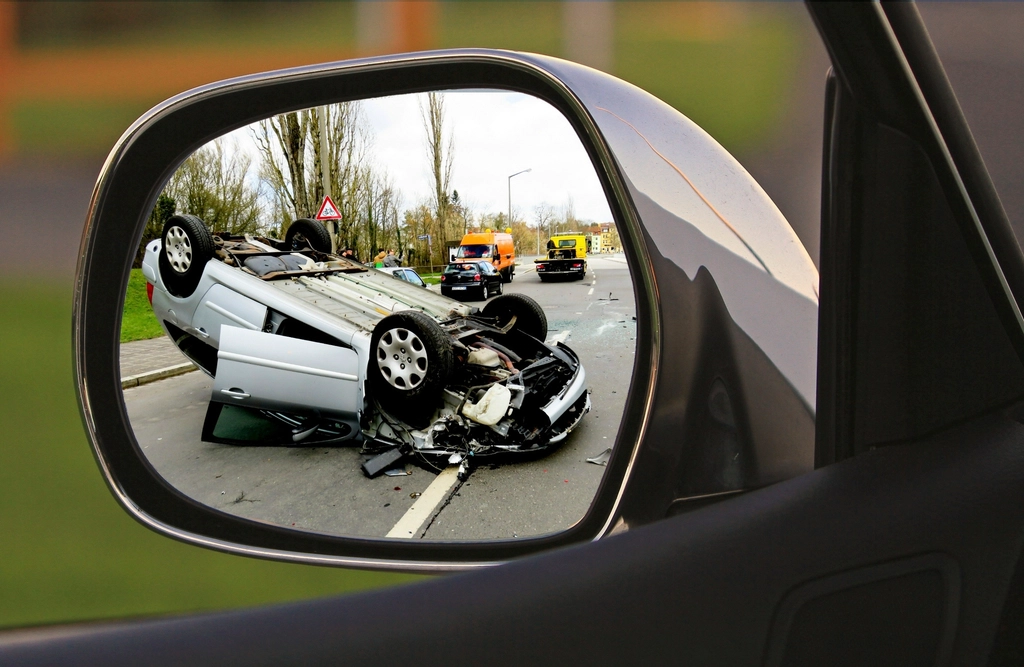
Do I need a car accident lawyer in San Diego? You likely need one if you were injured, fault is disputed, the at-fault driver is uninsured, or an insurer is pushing you to settle quickly. If no one was hurt and the other driver's insurer is paying for your repairs, you can often handle the claim yourself.
Many crashes really are that simple. Skipping a lawyer when you do need help is harder to fix, though, because a signed release or a missed deadline usually can't be undone.
If you're asking the question, you're probably a few days past the crash. Your neck may feel worse than it did at the scene. An adjuster may have already called asking for "a quick recorded statement."
When should you call a lawyer after a San Diego car accident?
Call a lawyer when you were hurt or when the claim stops being simple, such as a fight over fault or an insurer asking for things you don't fully understand.
Signs that a claim has outgrown the do-it-yourself route:
- You were hurt, or pain showed up in the days after the crash.
- The other driver, or their insurance company, says the crash was your fault.
- The at-fault driver has no insurance, or not enough to cover your losses.
- A commercial truck, delivery van, rideshare driver or government vehicle was involved.
- The insurer wants a recorded statement, a signed medical records authorization or your signature on a release.
- The filing deadline is getting close.
California's deadline for filing a personal injury lawsuit is generally two years from the date of the injury, under Code of Civil Procedure section 335.1 (as of October 2026). When a city, county, state agency or other public entity may be responsible, a written claim for the injury generally has to be presented to that entity within six months, under Government Code section 911.2. Exceptions can change these periods, so confirm the deadline that applies to your claim. Our guide to California's filing deadline covers the details, and a San Diego car accident lawyer can track those dates for you.
When can you handle a claim yourself?
You can often handle a car accident claim on your own when nobody was hurt and the at-fault driver's insurer accepts responsibility.
Handling the claim yourself usually looks like this:
- Open a claim with the at-fault driver's insurer and write down the claim number.
- Send photos, the police report number if there is one, and your repair estimates.
- Keep receipts for towing, a rental car and other out-of-pocket costs.
- Log every call with the date, the adjuster's name and what was said.
- Read any release word by word before you sign it.
If the insurer refuses to pay for your car, small claims court is one option. Individuals can generally sue for up to $12,500 in California small claims court, and you can't have a lawyer represent you in court there, according to the California Courts Self-Help Guide. A lawsuit over damage to your vehicle generally has a three-year deadline under Code of Civil Procedure section 338.
Even on a simple claim, if pain starts after you've told an adjuster you feel fine, get checked by a doctor and revisit the decision.
Common situations sort into two groups:
| Likely need a lawyer | May handle it yourself |
|---|---|
| You were injured, or symptoms appeared after the crash | No one was hurt |
| Fault is disputed, or the other driver blames you | Fault is clear and the other insurer accepts it |
| The at-fault driver is uninsured or underinsured | The at-fault driver's insurer is paying for repairs |
| A commercial, rideshare or government vehicle was involved | Two private vehicles and simple facts |
| The insurer wants a recorded statement, a records release or a quick signature | You can document your losses with estimates and receipts |
| The filing deadline is close | You have time, and any dispute fits in small claims court |
If your situation mostly matches the left column, see the car accident claims we handle and talk with a lawyer before you sign anything.
What does a car accident lawyer cost in California?
Car accident lawyers in California commonly work on a contingency fee. The fee is a percentage of the money recovered, and if there is no recovery, there is no attorney fee.
Under Business and Professions Code section 6147, a contingency fee contract must be in writing, and the client gets a copy signed by both sides. The contract has to state the fee rate, explain how costs affect the fee and the client's recovery, and say that the fee is not set by law and is negotiable.
Case costs are separate from the fee. They cover things like medical experts, accident reconstruction, depositions and court filing fees. Before you sign with any firm, ask who pays those costs if the case doesn't win.
At AK Injury Law Firm, you pay no attorney fee unless we win your case. We advance case costs, so you pay nothing up front, and if we do not win, you owe nothing: no attorney fee and no repayment of those costs. For more detail, see how contingency fees work.
What changes if you were injured?
An injury turns a repair claim into a claim for medical bills, lost income, future care and pain. Those losses are much harder to value on your own, because the value depends on treatment that may not be finished when the first offer arrives.
An insurer may make an offer before you know whether you'll need more therapy, imaging or time off work. Say you accept one two weeks after a rear-end crash, then learn a month later that your shoulder needs ongoing physical therapy. A settlement release generally ends the claim, so that extra care falls outside the settlement you already accepted.
Medical records carry much of the weight in an injury claim. Gaps in treatment, or symptoms that never made it into a chart, give an adjuster room to argue.
Health insurers and Medi-Cal may seek repayment from a settlement, which changes what actually reaches you. If the at-fault driver has no insurance, your own uninsured motorist coverage may become the main source of payment. Read more about when the at-fault driver has no insurance.
How do insurers treat claimants with and without a lawyer?
The other driver's insurer has to follow California's fair claims rules, but its adjuster works for the insurance company. Having a lawyer changes who the adjuster talks to and who keeps track of those rules.
Without a lawyer, the adjuster deals with you directly. The call asking for "a quick recorded statement" is yours to handle, and so is deciding whether an offer is fair. The deadlines are yours to track, too. California's Fair Claims Settlement Practices Regulations require an insurer to give a claimant written notice of any time limit it may rely on to deny the claim, generally at least 60 days before that limit runs out. That notice rule does not apply to a claimant represented by counsel (California Code of Regulations, title 10, section 2695.7(f)).
With a lawyer, the firm usually notifies the insurers that it represents you, and adjusters generally direct their calls to the firm. The lawyer gathers the medical records and bills, presents the claim, negotiates, and files a lawsuit before the deadline if the claim doesn't resolve.
Either way, you're entitled to a written answer when the insurer pushes back. California regulations require an insurer that denies a third-party claim, in whole or in part, or disputes liability or damages, to do so in writing (section 2695.7(b)(1)). Ask for any denial in writing and keep a copy.
What happens in a free case review?
A free case review is a conversation with a law firm about your crash and whether the firm can help. Having one doesn't commit you to hiring anyone.
At AK Injury Law Firm, we ask about the crash, your injuries, your treatment and the insurance involved. There is no cost for the review.
It helps to bring:
- The police report or report number, if there is one
- Photos of the vehicles, the scene and any visible injuries
- Insurance information for every driver involved
- Medical records and bills
- Letters, emails and offers from any insurance company
Ask your own questions, too. Who will handle my case day to day? What is the fee, in writing? Who pays costs if the case doesn't win? Which deadline applies to my claim?
This article is general information about California car accident claims, not legal advice for your situation.
Frequently asked questions
Should I give a recorded statement to the other driver's insurance company?
You generally don't have to give the other driver's insurance company a recorded statement, and it's reasonable to wait until you understand your injuries and your claim. Your own auto policy may require you to cooperate with your own insurer, which is a separate obligation. If you were hurt, talk with a lawyer before giving any recorded statement.
Can I hire a lawyer after I've already started a claim on my own?
Yes, you can usually hire a lawyer after opening a claim yourself, as long as you haven't signed a release and the filing deadline hasn't passed. The lawyer notifies the insurers and takes over communication from that point. Bring your claim numbers, adjuster letters and any offer you've received to the first conversation.
Do I need a lawyer if the car accident was partly my fault?
You can still bring a California car accident claim if you were partly at fault. California follows a comparative fault rule, so compensation is generally reduced by your share of responsibility. Fault disputes are a common reason to talk with a lawyer, because the percentage of blame assigned to you affects what you can recover.
Does hiring a car accident lawyer mean my case will go to court?
Your case can stay out of court after you hire a car accident lawyer. Many injury claims are resolved through negotiation with the insurance company. If the insurer won't make a reasonable offer or the deadline is getting close, the next step may be a lawsuit, and filed cases can still settle before trial. Your lawyer should explain each step before it happens.
How we can help
Dr. Azadeh Keshavarz was a doctor of chiropractic before she became a personal injury attorney. Seeing how insurance companies treated accident patients led her to start AK Injury Law Firm. Our female-owned San Diego firm reviews car accident claims at no cost. We go over what happened and the insurance involved, then explain your options in plain terms. If we take your case, Dr. Keshavarz personally handles it, and you can reach her directly, with a dedicated case manager for day-to-day questions. We advance case costs, and if we do not win, you owe nothing.
Call 877-470-4878 or request a free case review.
Outthink, Outfight, Outwin.
Fully Funded Cases and Direct Access to Your Attorney
Strong cases cost money to build. AK Injury Law Firm pays every case cost up front, including medical billing experts, lien negotiation and, when an insurer will not pay fairly, full litigation, so you never have to choose between paying your bills and getting the experts your case needs. If we do not win, you owe nothing: no attorney fee and no repayment of those costs. Because we are a boutique firm, Dr. Azadeh Keshavarz personally handles your case, and you can reach her directly instead of being passed between associates.