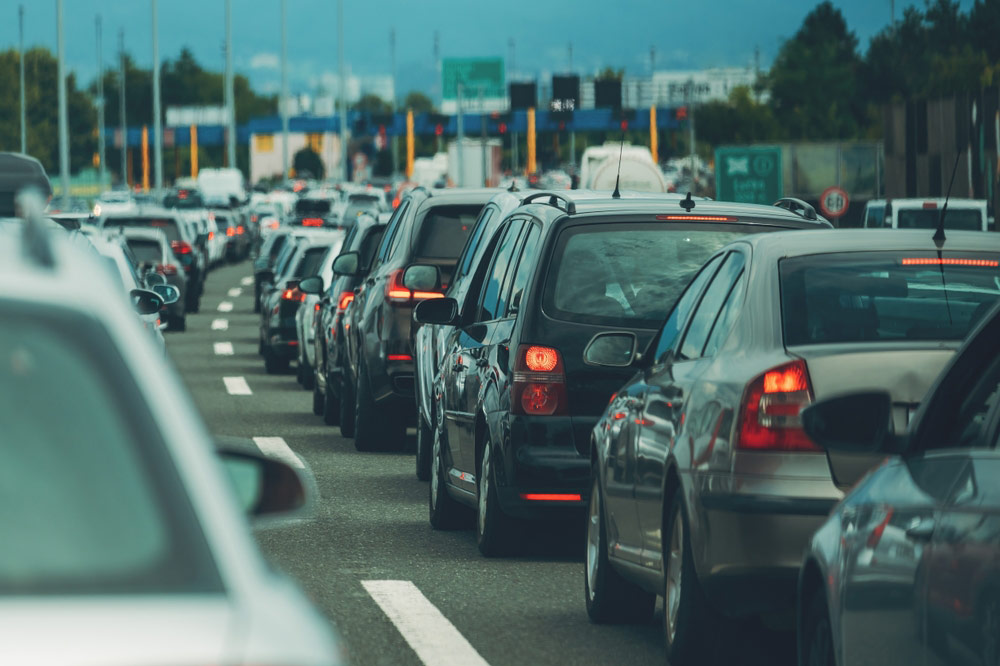
Traffic changes the way a city feels. A drive that once seemed simple can become stressful, unpredictable, and dangerous when more vehicles, pedestrians, cyclists, delivery drivers, rideshare cars, and commuters compete for the same space. In San Diego, growing traffic is not just a daily inconvenience. It plays a real role in the way car accidents happen, where they happen, and how seriously people are injured.
For many drivers, the risk feels familiar. A freeway slows down suddenly near a merge. A driver rushes through a yellow light because traffic has already made them late. A rideshare vehicle stops unexpectedly downtown. A delivery truck blocks visibility near a busy intersection. A pedestrian steps into a crosswalk while a turning driver is focused on oncoming traffic. These moments are common, but they can lead to crashes that change lives.
AK Injury Law Firm is a female-owned personal injury law firm serving injured people in San Diego. The firm is led by founder and attorney Dr. Azadeh Keshavarz, who was previously a doctor of chiropractic. After seeing how insurance companies treated accident patients, minimized pain, questioned treatment, and pressured injured people into unfair outcomes, she chose to build a personal injury law firm that fights differently. Her approach is strategic, smart, and aggressive when needed. The slogan says it clearly: Outthink, Outfight, Outwin.
Why San Diego Traffic Is Becoming a Bigger Safety Issue
San Diego is a growing region with a complex transportation system. People drive for work, school, military service, tourism, shopping, medical appointments, entertainment, and daily family responsibilities. The region includes dense urban areas, beach communities, suburban neighborhoods, major freeways, canyon roads, border-area traffic, college traffic, and commercial corridors.
SANDAG’s regional transportation reporting has continued to track changes in population, employment, commute patterns, and traffic flow. As the region grows and travel demand shifts, certain roads experience more pressure during peak periods. Even when population growth is not explosive, small increases in daily trips can make already-busy corridors feel more congested.
More traffic does not automatically mean every road becomes dangerous. The problem is that increased traffic creates more conflict points. A conflict point is a place where two road users could cross paths, such as a left-turn lane, freeway ramp, driveway, crosswalk, bike lane, merge area, or intersection. The more people moving through these points, the greater the chance that one mistake becomes a serious accident.
How Congestion Changes Driver Behavior
Heavy traffic affects patience. It also affects judgment. Drivers who feel delayed may follow too closely, speed up when traffic opens, cut across lanes, block intersections, or take risks they would not take on a calmer road. Congestion can turn ordinary driving decisions into high-pressure reactions.
Common congestion-related behaviors include:
- Tailgating during stop-and-go traffic
- Unsafe lane changes to gain a few seconds
- Running red lights after waiting through several cycles
- Blocking intersections and crosswalks
- Speeding once traffic clears
- Failing to yield while making rushed turns
- Using phones during slow traffic
- Driving aggressively because of frustration or delay
These behaviors can lead to rear-end crashes, side-impact collisions, sideswipes, pedestrian accidents, and freeway pileups. A crash may begin with one careless move, but heavy traffic can make the consequences worse because surrounding drivers have less room and less time to avoid impact.
Freeway Traffic and Chain-Reaction Accidents
San Diego freeways carry an enormous amount of daily traffic. Routes such as I-5, I-805, I-15, SR-94, SR-52, SR-56, SR-163, and SR-125 connect neighborhoods, employment centers, military facilities, universities, beaches, and business districts. When traffic moves smoothly, drivers may feel safe. When it slows suddenly, the risk changes quickly.
Freeway crashes often happen because one driver fails to react in time. A sudden slowdown near a ramp can cause a rear-end collision. A driver who looks away for two seconds may not see brake lights ahead. A vehicle that changes lanes too quickly may cause another driver to swerve. When several vehicles are packed together, one impact can trigger a chain reaction.
Insurance companies sometimes treat rear-end crashes as simple claims, but freeway accidents can be more complicated. There may be multiple vehicles, disputed timing, lane-change issues, commercial vehicles, uninsured drivers, or questions about whether a driver stopped too suddenly. A smart legal strategy looks beyond the first assumption and studies the full sequence of events.
Intersection Crashes Rise When Traffic Pressure Builds
Intersections are among the most dangerous places for car accidents because drivers, pedestrians, bicyclists, and turning vehicles all meet in the same space. As traffic increases, intersections become more stressful. Drivers may try to beat a light, hurry through a turn, or enter an intersection even when traffic ahead has not cleared.
The City of San Diego has used collision data to identify high-crash locations and evaluate where safety improvements are needed. These efforts connect with Vision Zero, the City’s traffic safety initiative focused on reducing traffic-related deaths and severe injuries.
A high-traffic intersection can create several crash patterns. Left-turn accidents may occur when a driver misjudges oncoming traffic. T-bone crashes may happen when a driver runs a red light. Pedestrian accidents may happen when a turning driver focuses on vehicles instead of the crosswalk. Rear-end collisions may happen when one driver brakes and the driver behind is distracted or following too closely.
Downtown Traffic Creates Unique Accident Risks
Downtown San Diego has a different type of traffic environment than suburban roads. Drivers share the road with pedestrians, scooters, buses, delivery trucks, rideshare vehicles, tourists, cyclists, and people looking for parking. One-way streets, construction zones, nightlife traffic, and event traffic can make conditions even more confusing.
A downtown accident may involve a driver who is unfamiliar with the area, a rideshare vehicle stopping suddenly, a pedestrian crossing outside a marked area, or a driver turning without seeing someone in the crosswalk. Even at lower speeds, these collisions can cause serious injuries because pedestrians and cyclists have little protection.
For injured victims, downtown accidents can also create evidence challenges. The good news is that many downtown areas have businesses, cameras, parking garages, and witnesses nearby. The bad news is that video footage can be erased quickly. Acting early can make the difference between having strong evidence and relying only on conflicting stories.
Tourism, Events, and Unfamiliar Drivers
San Diego attracts visitors year-round. Tourists drive rental cars, use rideshare services, walk through busy districts, visit beaches, attend conventions, and travel between hotels, restaurants, parks, and attractions. Tourism adds energy to the city, but it can also increase traffic complexity.
Drivers unfamiliar with local roads may make sudden lane changes, stop unexpectedly, miss turns, or hesitate at intersections. Event traffic can also cause frustration and confusion. When people are searching for parking, following navigation apps, or trying to reach a venue on time, their attention may be divided.
A visitor-caused accident can raise additional insurance issues. Rental car coverage, out-of-state insurance policies, rideshare coverage, and commercial vehicle policies may all need to be reviewed. AK Injury Law Firm understands that identifying the right insurance coverage is part of building a strong claim.
Delivery Drivers and Rideshare Traffic
Modern traffic is not just made up of personal vehicles. Delivery apps, rideshare platforms, courier services, and commercial vehicles have changed the way streets operate. Drivers may stop suddenly to pick up passengers, double park to complete deliveries, make quick turns, or pull over in unsafe locations.
These driving patterns can lead to sideswipe accidents, rear-end crashes, pedestrian injuries, and bicycle collisions. When a delivery driver or rideshare driver causes a crash, the insurance question may be more complicated than a normal accident. Coverage may depend on whether the driver was logged into an app, waiting for a request, transporting a passenger, or completing a delivery.
Insurance companies may try to pass responsibility from one policy to another. A strategic personal injury lawyer can investigate the driver’s status, available coverage, company involvement, and all possible sources of compensation.
Pedestrians and Cyclists Face Greater Risk in Heavy Traffic
Growing traffic does not only affect drivers. Pedestrians and cyclists are often the most vulnerable people on the road. A driver protected by a vehicle frame, airbags, and a seat belt may walk away from a crash. A pedestrian or cyclist may suffer broken bones, head trauma, spinal injuries, internal injuries, or permanent disability.
The City’s safety planning recognizes the importance of reducing conflicts, improving visibility, and designing streets that account for human error. Public resources from San Diego show that local officials continue to focus on traffic safety, high-crash locations, and roadway improvements.
Still, public planning does not erase the harm caused by one negligent driver. If a pedestrian or cyclist is injured, the insurance company may try to blame the victim. They may argue that the person was not visible, crossed too late, rode too fast, or failed to pay attention. These claims should not go unanswered. Evidence, medical records, scene analysis, and witness statements can help tell the full story.
Why Growing Traffic Can Make Injury Claims More Complicated
More traffic often means more witnesses, more vehicles, more insurance policies, and more disputed facts. In a simple crash, two drivers may agree on what happened. In a congested crash, several people may remember the event differently. One driver may say traffic stopped suddenly. Another may claim someone cut them off. A third may deny fault entirely.
This is where insurance companies often look for opportunities. If they can create doubt, they may reduce the value of a claim. If they can argue shared fault, they may pay less. If they can question medical treatment, they may pressure the injured person into a low settlement.
Dr. Azadeh Keshavarz’s background as a doctor of chiropractic gives AK Injury Law Firm a valuable perspective. She understands how accident injuries can develop, why symptoms may worsen over time, and why insurance companies may try to minimize soft tissue injuries, back injuries, neck injuries, and chronic pain. Her firm approaches cases with both medical insight and legal strategy.
The Role of Evidence in Traffic-Related Accident Claims
Traffic-related crashes require careful evidence collection. The sooner evidence is preserved, the stronger a claim may become. Photos, videos, police reports, witness statements, medical records, and vehicle damage can all help prove what happened.
Important evidence may include:
- Photos of vehicle positions, damage, debris, and skid marks
- Videos from dashcams, traffic cameras, homes, or businesses
- Police collision reports
- Witness names and contact information
- Medical records showing injury diagnosis and treatment
- Proof of missed work or reduced earning ability
- Rideshare or delivery app records when relevant
- Insurance policy information from all involved drivers
- Expert analysis for disputed or high-value claims
A strong case is not built on anger alone. It is built on preparation. AK Injury Law Firm fights hard, but the fight is always smarter when it is supported by facts, documents, and a clear legal theory.
Why “Outthink, Outfight, Outwin” Matters Against Insurance Companies
Insurance companies handle claims every day. They know how to ask questions, delay responses, request recorded statements, challenge medical bills, and make early settlement offers before the injured person understands the full value of the case. That is why strategy matters.
To outthink an insurance company means anticipating its arguments before they are made. To outfight means refusing to let the insurer control the story. To outwin means building a claim that shows liability, damages, medical impact, and long-term consequences clearly enough that the insurance company must take the case seriously.
AK Injury Law Firm’s approach is especially important in San Diego traffic cases because these accidents often involve disputed fault, complex crash scenes, serious injuries, and insurers looking for ways to reduce payment. The firm does not treat clients like claim numbers. It treats them like people whose pain, recovery, and future matter.
What Injured People Should Do After a San Diego Traffic Accident
After a crash, the first priority is safety. Call 911 if anyone is hurt. Get medical attention even if the pain seems manageable at first. Some injuries appear immediately, while others develop after the adrenaline fades. Delaying care can harm both your health and your injury claim.
If you can do so safely, take photos and videos before vehicles are moved. Get contact information from witnesses. Avoid arguing with the other driver. Avoid admitting fault or guessing about what happened. Be careful when speaking with insurance adjusters, especially if they ask for a recorded statement.
You should also avoid accepting a quick settlement without legal guidance. Early offers often do not account for future treatment, lost income, long-term pain, emotional distress, or the full impact of the crash on your daily life.
How we can help
If you were injured in a car accident caused by San Diego’s growing traffic, a careless driver, a dangerous intersection, or a disputed crash, AK Injury Law Firm can help you understand your rights, protect your claim, and fight the insurance company with strategy. Led by Dr. Azadeh Keshavarz, a former doctor of chiropractic and experienced personal injury attorney, our female-owned law firm knows how accident injuries affect real people and how insurance companies try to minimize them. We can investigate the crash, preserve evidence, deal with the insurer, calculate the full value of your losses, and build a smart case designed to help you Outthink, Outfight, and Outwin.