
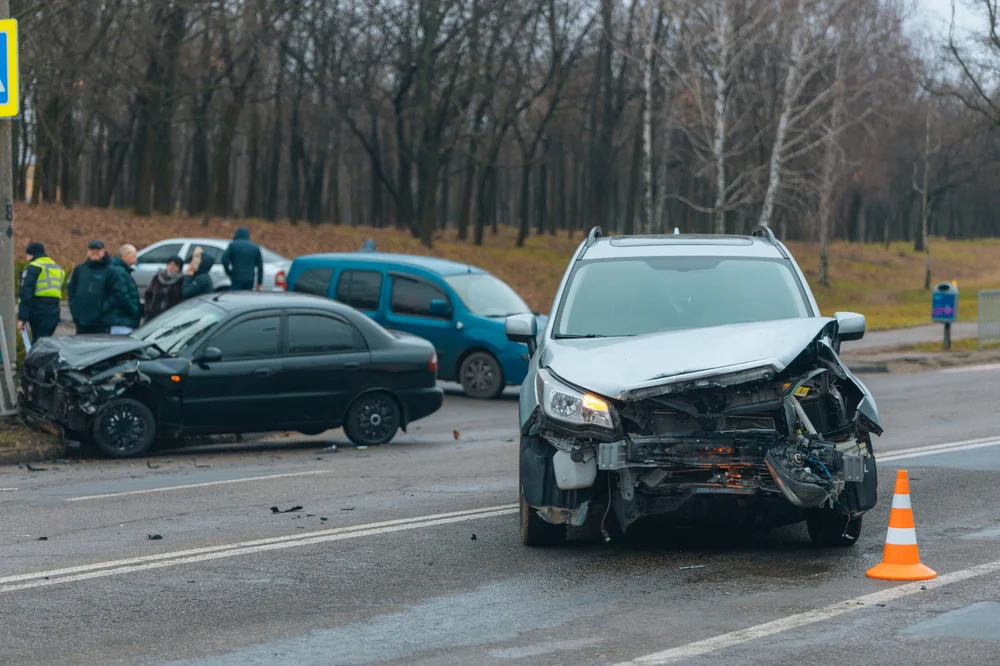
A car accident can happen in seconds, but the damage can follow a person for months or years. One moment, you are driving through an intersection you have crossed dozens of times before. The next, another driver runs a red light, turns without looking, follows too closely, or speeds through a crowded roadway. Suddenly, you are dealing with pain, vehicle damage, insurance adjusters, medical appointments, missed work, and questions you never expected to ask.
San Diego is known for beautiful weather, coastal roads, busy neighborhoods, military traffic, tourism, commuter routes, and growing communities. That mix creates a unique traffic environment. Some intersections carry heavy daily volume. Others combine pedestrians, cyclists, buses, delivery vehicles, freeway ramps, left-turn lanes, and fast-moving drivers in a small space. When traffic design, driver behavior, and congestion meet, the risk of serious crashes rises.
AK Injury Law Firm helps injured drivers, passengers, pedestrians, bicyclists, and families after serious car accidents in San Diego. The firm is female owned and led by founder and attorney Dr. Azadeh Keshavarz. Before becoming a personal injury lawyer, Dr. Keshavarz was a doctor of chiropractic. She saw firsthand how accident patients were treated by insurance companies, how pain could be minimized, and how claims could be undervalued when injured people did not have the right legal strategy behind them. That experience shaped the mission of AK Injury Law Firm: Outthink, Outfight, Outwin.
Why Intersections Are So Dangerous for Drivers and Pedestrians
Intersections are where decisions collide. Drivers are stopping, accelerating, turning, merging, checking crosswalks, watching signals, and reacting to other vehicles at the same time. When even one person misjudges a light, rushes a turn, looks at a phone, or fails to yield, the crash can be severe.
Unlike a rear-end crash on a straight road, intersection accidents often happen at angles. A T-bone collision can send force directly into the side of a vehicle, where occupants have less protection than at the front or rear. A left-turn crash may involve two vehicles moving in different directions. A pedestrian crash may happen because a driver focuses on oncoming traffic and fails to see someone already in the crosswalk.
Some of the most common causes of intersection car accidents include:
- Drivers running red lights or rolling through stop signs
- Unsafe left turns across oncoming traffic
- Failure to yield to pedestrians in marked or unmarked crosswalks
- Distracted driving, especially phone use near traffic signals
- Speeding through yellow lights
- Confusing lane layouts or poor visibility
- Drivers entering intersections too quickly from freeway ramps
- Impaired, aggressive, or fatigued driving
When a crash happens at an intersection, insurance companies may quickly try to shift blame. They may argue that both drivers share fault, that a pedestrian stepped out too late, or that the injured person could have avoided the crash. That is why evidence matters from the very beginning.
San Diego Intersections Identified in Public High Crash Data
Public safety reports help show where crash risk is concentrated. The City of San Diego has used crash data to identify high crash locations and prioritize traffic safety improvements. These lists may change from year to year, but they offer an important warning: certain intersections and roadway segments repeatedly show patterns of injury crashes, pedestrian crashes, left-turn crashes, or higher crash rates.
Based on recent public high crash location information, several San Diego intersections and road segments deserve extra attention from drivers, pedestrians, and anyone who has been injured in a collision.
Judicial Drive at Nobel Drive
Judicial Drive at Nobel Drive is a busy area near major residential, commercial, and commuter activity. Drivers may be moving between University City, UTC, La Jolla, and nearby freeway access points. When a high-volume intersection combines multiple turn lanes, changing signals, and impatient drivers, the risk of impact rises.
Crashes in this type of setting often involve left turns, rear-end impacts, lane changes, and drivers misjudging the speed of approaching vehicles. After a collision, it may be important to review signal timing, traffic camera availability, roadway markings, skid marks, debris fields, and witness statements.
26th Street at Florida Drive
The intersection of 26th Street and Florida Drive sits in an area where neighborhood traffic, canyon roads, commuter traffic, and local access points can create sudden conflicts. Drivers may be navigating curves, changing speeds, or entering an intersection with limited time to react.
Intersections like this can be especially dangerous when a driver assumes another vehicle will stop or slow down. One wrong assumption can lead to a broadside crash, a sideswipe, or a loss-of-control collision. When insurance companies review these crashes, they often focus on who had the right of way. A strong legal strategy looks deeper, including roadway conditions, visibility, vehicle damage, injury patterns, and driver conduct.
Imperial Avenue at 53rd Street
Imperial Avenue at 53rd Street has appeared in high crash discussions because of reported injury crash concerns. Imperial Avenue is an important corridor, and intersections along it can involve drivers traveling at different speeds, pedestrians crossing to reach homes or businesses, and vehicles turning across traffic.
These crashes can become complicated quickly. A driver may claim they stopped. Another may claim they had a green light. A pedestrian may say a vehicle turned without warning. The truth often depends on timing, physical evidence, nearby surveillance footage, and prompt investigation.
Imperial Avenue at San Jacinto Drive
Imperial Avenue at San Jacinto Drive is another location where crash risk has been highlighted in public reporting. Like many intersections on larger corridors, the danger may come from a combination of speed, turning movements, and limited reaction time.
A person injured at this type of intersection may face more than physical pain. They may face an insurance company that tries to call the crash a simple mistake or reduce the value of the claim by questioning medical treatment. Dr. Azadeh Keshavarz’s background as a doctor of chiropractic gives AK Injury Law Firm a meaningful perspective on how accident injuries develop, how treatment records should be understood, and why early symptoms should not be ignored.
54th Street at University Avenue
University Avenue is one of San Diego’s busier urban corridors, with vehicles, pedestrians, public transit, bicyclists, parked cars, and local businesses all sharing limited space. At 54th Street, traffic can become especially active during commuting hours and neighborhood travel.
Accidents near corridors like University Avenue may involve drivers making left turns, vehicles attempting to beat lights, pedestrians crossing under pressure, or drivers focusing on traffic instead of people in the crosswalk. Even a moderate-speed crash can cause neck injuries, back injuries, concussions, shoulder injuries, knee injuries, and long-term pain.
5th Avenue at Broadway
Downtown intersections carry a different kind of risk. At 5th Avenue and Broadway, drivers may be dealing with pedestrians, scooters, rideshare vehicles, buses, delivery trucks, tourists, and one-way street patterns. Downtown traffic requires constant attention, but distracted or impatient drivers may not leave enough time to stop.
Pedestrian crashes in downtown areas are often life-changing. A person on foot has no frame, airbags, or seat belt to absorb impact. Even when a pedestrian survives, the injuries may include fractures, traumatic brain injuries, spinal injuries, internal injuries, and long rehabilitation periods.
47th Street at Imperial Avenue
The intersection of 47th Street and Imperial Avenue has been identified among locations with significant injury crash concerns. This area can involve neighborhood traffic, commuter flow, pedestrians, and vehicles moving along a major roadway. When traffic volume is high, small driver errors become serious hazards.
After a crash at a location like this, the insurance company may try to simplify the story. A strategic legal team does not accept the first version of events without evidence. The right approach may include reviewing police reports, seeking video footage, checking for prior safety concerns, analyzing impact points, and working with experts when needed.
Palm Avenue at Saturn Boulevard
Palm Avenue at Saturn Boulevard is another intersection where injury crashes have been noted in public high crash data. South Bay traffic can include commuters, commercial vehicles, families, pedestrians, and drivers heading toward freeway connections or local neighborhoods.
Intersections like this can produce rear-end crashes, side-impact crashes, turning collisions, and pedestrian accidents. If the injured person delays treatment because they hope the pain will go away, the insurance company may later use that delay against them. Getting medical care and legal guidance early can make a major difference.
Other High Crash Corridors Drivers Should Watch Closely
Some roadway segments are dangerous not because of one single intersection, but because the entire stretch creates repeated conflict points. Recent public information has identified locations such as Fairmount Avenue between Montezuma Road and Talmadge Canyon Row, Imperial Avenue between 53rd Street and San Jacinto Drive, Main Street between the I-5 off-ramp and Woden Street, Midway Drive between Kemper Street and Duke Street, and Mission Gorge Road between Twain Avenue and Mission Gorge Place as areas prioritized for traffic safety evaluation.
These corridors can be challenging because drivers may be entering and exiting businesses, merging from ramps, navigating speed changes, or reacting to vehicles stopping unexpectedly. A crash on a segment like this may require more detailed investigation than a simple intersection collision.
Public roadway safety information from San Diego can help residents understand where city officials are focusing traffic improvement efforts, but public data alone does not prove what happened in a specific crash. Every accident still needs its own careful review.
Why Insurance Companies Fight Intersection Accident Claims
Insurance companies know that intersection accidents often create confusion. When several vehicles, signals, lanes, and witnesses are involved, the insurer may look for any reason to reduce payment. They may argue that you were partly responsible, that your injuries are not related to the crash, that your treatment was too expensive, or that your pain should have healed faster.
This is where AK Injury Law Firm’s approach matters. Dr. Azadeh Keshavarz does not believe in fighting blindly. Her firm fights strategically. That means understanding the medical side of injury, the legal side of liability, and the insurance company’s tactics before building a claim.
Outthink, Outfight, Outwin is more than a slogan. It reflects how strong personal injury claims are built. You outthink the insurance company by preparing evidence before they twist the facts. You outfight them by refusing low offers that do not reflect the true harm. You outwin by building a case that is clear, documented, and ready for negotiation or litigation when necessary.
Evidence That Can Help Prove What Happened
After a San Diego intersection accident, evidence can disappear quickly. Skid marks fade. Cars are repaired or destroyed. Surveillance footage may be overwritten. Witnesses may forget details. That is why quick action matters.
Helpful evidence may include:
- Police collision reports
- Photos and videos from the crash scene
- Traffic camera or nearby business surveillance footage
- Dashcam footage
- Witness names and contact information
- Vehicle damage photos
- Medical records and treatment plans
- Proof of missed work and lost income
- Cell phone records when distracted driving is suspected
- Expert accident reconstruction when liability is disputed
Strong evidence can help show who had the right of way, whether a driver was speeding, whether a left turn was unsafe, whether a pedestrian was visible, or whether an insurance company’s version of events does not match the physical facts.
Common Injuries After Intersection Crashes
Intersection collisions can produce serious injuries because vehicles may hit at angles and because drivers often have little time to brace. Some people feel pain immediately. Others feel shaken at first, then develop symptoms hours or days later.
Common injuries include whiplash, herniated discs, back pain, neck pain, shoulder injuries, knee injuries, wrist injuries, broken bones, concussions, traumatic brain injuries, nerve pain, soft tissue damage, and emotional trauma. Pedestrians and cyclists may suffer even more severe injuries because they are exposed to the full force of impact.
Dr. Keshavarz’s clinical background gives AK Injury Law Firm a deeper understanding of how accident injuries are documented and how insurance companies may try to minimize them. The firm understands that pain is not always simple, recovery is not always quick, and the full impact of a crash may not be clear on day one.
What to Do After a Car Accident at a Dangerous Intersection
The moments after a crash are stressful, but the steps you take can protect your health and your claim. Safety comes first. Move out of danger if you can, call 911, and get medical attention. If you are able, take photos of the vehicles, the intersection, traffic lights, lane markings, injuries, debris, and anything that may help show how the crash happened.
Avoid arguing with the other driver. Avoid guessing about fault. Avoid telling an insurance adjuster that you are fine before you have been examined. Many injured people try to be polite and accidentally say things that later get used against them.
You should also be careful with early settlement offers. Insurance companies sometimes move quickly because they know the injured person does not yet understand the full cost of medical care, lost income, future treatment, or long-term pain. Once a settlement is signed, it can be extremely difficult or impossible to reopen the claim.
Why a Smart Legal Strategy Matters
Not every car accident claim requires the same approach. A minor rear-end crash with clear fault is different from a disputed intersection crash involving multiple drivers, a pedestrian, a commercial vehicle, or a serious injury. The stronger the case strategy, the harder it becomes for the insurance company to undervalue the claim.
AK Injury Law Firm looks at the full picture. That includes liability, medical treatment, insurance coverage, future care, lost wages, pain, emotional strain, and the way the accident has affected daily life. The goal is not just to file a claim. The goal is to build leverage.
A smart personal injury lawyer understands that winning against insurance companies requires preparation. It requires knowing what evidence matters, what arguments insurers usually make, and how to present the client’s story in a way that is backed by facts. That is the difference between simply fighting and fighting with strategy.
How we can help
If you were injured at one of San Diego’s dangerous intersections or anywhere else in a car accident, AK Injury Law Firm can help you understand your rights, protect your claim, and deal with the insurance company from a position of strength. Led by Dr. Azadeh Keshavarz, a former doctor of chiropractic and experienced personal injury attorney, our female-owned law firm brings a smart, strategic, and aggressive approach to every case. We know how insurance companies think, we know how accident injuries affect real lives, and we are ready to help you Outthink, Outfight, and Outwin.