
AK Injury Law Firm

AK Injury Law Firm Legal Blog

How Sidewalk Conditions Contribute to Pedestrian Accidents

Pedestrian accidents are often associated with distracted drivers, speeding vehicles, or dangerous intersections. However, many serious pedestrian injuries begin with something much simpler: unsafe sidewalk conditions. Cracked concrete, uneven pavement, poor lighting, debris, missing curb ramps, and neglected walkways can all create dangerous situations that place pedestrians at risk. For many people, sidewalks are supposed to provide safety and separation from vehicle traffic. When sidewalks are poorly maintained or improperly designed, they can force pedestrians into unsafe situations or directly cause devastating falls and injuries. In busy areas throughout San Diego, pedestrian traffic continues to grow as more residents walk for exercise, transportation, or recreation. At the same time, unsafe walking conditions continue to contribute to serious accidents. At AK Injury Law Firm, Dr. Azadeh Keshavarz understands how devastating pedestrian injuries can be. Before becoming a personal injury attorney, she worked as a doctor of chiropractic and witnessed firsthand how insurance companies often undervalue and minimize injuries suffered by accident victims. That experience shaped the foundation of the firm’s approach. AK Injury Law Firm fights strategically and intelligently for injured clients with the mindset of “Outthink, Outfight, Outwin.” Why Sidewalk Safety Matters Sidewalks exist to protect pedestrians from vehicle traffic and create safe walking paths for the public. When sidewalks are damaged or neglected, pedestrians may lose that protection. Dangerous sidewalk conditions can lead to: Slip and fall accidents Trip and fall injuries Pedestrians stepping into traffic to avoid hazards Bicycle and scooter crashes Wheelchair accessibility accidents Child and elderly pedestrian injuries Even what appears to be a small sidewalk defect can lead to catastrophic injuries. Uneven concrete measuring just a few inches can cause someone to fall unexpectedly, especially older adults, children, or individuals carrying bags or pushing strollers. In many cases, these injuries occur suddenly and leave victims with little time to react. Head trauma, broken bones, spinal injuries, torn ligaments, and chronic pain are common outcomes of sidewalk-related pedestrian accidents. Common Sidewalk Conditions That Cause Pedestrian Accidents Uneven Sidewalk Surfaces One of the most common causes of pedestrian injuries involves uneven pavement. Sidewalk slabs can shift over time due to tree roots, soil movement, weather conditions, or poor construction. Even slight elevation differences can create serious tripping hazards. These accidents frequently happen in residential neighborhoods, shopping centers, apartment complexes, and near commercial buildings where maintenance has been ignored for extended periods. Cracked Concrete Cracked sidewalks are more dangerous than many property owners realize. Large cracks can catch a pedestrian’s foot and immediately cause a loss of balance. In some situations, cracks widen over time and become difficult to navigate safely. Cracked pavement can become especially hazardous at night when visibility is reduced. Poor Lighting Lighting plays a major role in pedestrian safety. A sidewalk may already contain hazards, but poor lighting prevents pedestrians from seeing them in time to avoid injury. Dimly lit sidewalks near parking lots, apartment complexes, commercial properties, and public walkways often contribute to nighttime accidents. Poor visibility may also increase the likelihood of a pedestrian being struck by a vehicle. Obstructed Walkways Sidewalks blocked by construction materials, overgrown vegetation, debris, parked scooters, or improperly placed signs can force pedestrians into dangerous situations. When people are pushed into bike lanes or traffic to avoid obstacles, the risk of serious injury increases significantly. Property owners and businesses may be responsible for ensuring sidewalks remain reasonably clear and safe for public use. Slippery Surfaces Water leaks, spilled liquids, algae growth, recently washed sidewalks, and improperly maintained surfaces can create slipping hazards. Slippery conditions are particularly dangerous for elderly pedestrians who may suffer fractures or head injuries from falls. Missing or Unsafe Curb Ramps Pedestrians using wheelchairs, walkers, strollers, or bicycles rely heavily on curb ramps for safe access. Missing or damaged ramps may create accessibility issues and force individuals into traffic lanes or unsafe crossings. Unsafe curb designs may also violate accessibility standards and increase liability exposure for property owners or municipalities. How Dangerous Sidewalks Lead to Vehicle-Related Pedestrian Accidents Not all sidewalk-related pedestrian accidents involve direct falls. Sometimes, unsafe sidewalks force pedestrians into traffic where they become vulnerable to collisions with vehicles. For example, a pedestrian may step off the sidewalk to avoid: Construction debris Broken pavement Flooded sidewalks Blocked pathways Unsafe wheelchair access Once in the roadway, the pedestrian may be struck by a distracted, speeding, or negligent driver. In these situations, multiple parties may share liability depending on the circumstances. Determining responsibility in these cases requires a strategic legal investigation that examines both roadway conditions and driver negligence. Who May Be Liable for Sidewalk-Related Pedestrian Injuries? Liability for sidewalk accidents can become complex because responsibility may involve several different parties. Determining fault often requires reviewing maintenance records, city ordinances, inspection reports, photographs, witness statements, and surveillance footage. Property Owners Commercial and residential property owners may have a duty to maintain sidewalks adjacent to their property depending on local laws and maintenance obligations. If a property owner knew or should have known about a dangerous condition and failed to address it within a reasonable period of time, they may be held liable for resulting injuries. Businesses Businesses that create sidewalk hazards through outdoor displays, construction activity, spills, or negligent maintenance may face liability if a pedestrian becomes injured. Shopping centers, restaurants, apartment complexes, and retail stores often experience high foot traffic and may have additional responsibilities to ensure pedestrian safety. Government Entities In some situations, city or municipal agencies may be responsible for sidewalk maintenance. Claims involving government entities are often far more complicated than standard personal injury cases because strict deadlines and procedural requirements apply. Failing to file a government claim on time can jeopardize a victim’s ability to pursue compensation. Construction Companies Construction crews working near sidewalks must properly secure work areas and provide safe pedestrian access. Improper barricades, exposed hazards, debris, or unsafe detours can create dangerous walking conditions. If a construction company fails to protect pedestrians adequately, it may be liable for injuries resulting from unsafe conditions. Common Injuries
What Rights Do Cyclists Have After a Hit-and-Run?

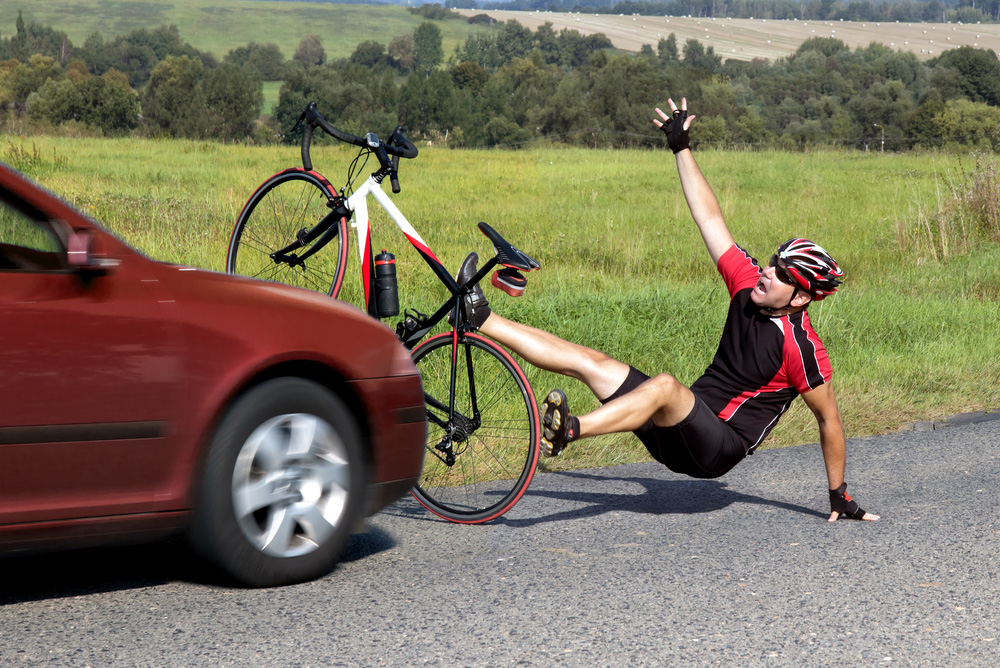
Being involved in a hit-and-run accident as a cyclist is one of the most distressing experiences a person can face on the road. Unlike drivers, cyclists have little protection, making them highly vulnerable to serious injuries. When the at-fault driver flees the scene, it adds another layer of complexity, leaving victims unsure of how to recover physically, emotionally, and financially. Many cyclists assume that if the driver is not identified, they have no options. That is not true. Even in hit-and-run cases, injured cyclists have important legal rights and potential avenues for compensation. Understanding those rights is critical to protecting your claim and ensuring you are not left bearing the burden of someone else’s negligence. At AK Injury Law Firm, we take a strategic approach to these cases. Our founder, Dr. Azadeh Keshavarz, brings a unique perspective as a former doctor of chiropractic who witnessed firsthand how accident victims are treated by insurance companies. As a female-owned personal injury firm, we combine medical insight with smart legal strategy to fight for our clients. Our philosophy is simple: Outthink, Outfight, Outwin. What Is Considered a Hit-and-Run Accident? A hit-and-run occurs when a driver involved in a collision leaves the scene without stopping to provide contact information or assist injured parties. In California, this is not only irresponsible—it is illegal. For cyclists, hit-and-run accidents often involve situations such as: A driver striking a cyclist and continuing to drive away A vehicle sideswiping a cyclist and failing to stop A driver causing a cyclist to crash without direct contact and fleeing Even if the driver did not physically strike the cyclist but caused the accident, it can still qualify as a hit-and-run. Your Immediate Rights After a Hit-and-Run After a hit-and-run accident, cyclists have the right to seek medical care, report the incident, and pursue compensation. These rights exist regardless of whether the driver is identified at the scene. Right to Medical Treatment Your health is the top priority. You have the right to receive immediate medical attention and ongoing care for your injuries. Right to File a Police Report Reporting the accident to law enforcement is essential. A police report creates an official record and may help identify the driver. Right to Pursue Compensation Even if the driver is not found, you may still have options through insurance policies or other legal avenues. Common Injuries in Bicycle Hit-and-Run Accidents Cyclists are exposed during collisions, which often results in severe injuries. Head and Brain Injuries Traumatic brain injuries can occur even when helmets are worn. These injuries may lead to long-term cognitive and physical impairments. Spinal Injuries Damage to the spine can result in chronic pain or paralysis, requiring extensive medical care. Broken Bones Fractures are common due to direct impact with the vehicle or the ground. Soft Tissue Injuries Road rash, muscle damage, and ligament injuries can cause lasting pain and mobility issues. How Can You Recover Compensation Without Identifying the Driver? One of the biggest concerns in hit-and-run cases is how to recover compensation when the at-fault driver is unknown. Fortunately, there are several possible avenues. Uninsured Motorist Coverage Many insurance policies include uninsured motorist (UM) coverage. This type of coverage may apply in hit-and-run cases, even if you were on a bicycle at the time of the accident. UM coverage can help pay for: Medical expenses Lost wages Pain and suffering Household Insurance Policies In some cases, coverage may extend through a family member’s policy if you live in the same household. Third-Party Liability If another party contributed to the accident, such as a property owner or government entity responsible for unsafe road conditions, they may share liability. What If the Driver Is Found? If the driver is identified, you have the right to pursue a personal injury claim directly against them. This may involve: Filing a claim with their insurance company Negotiating a settlement Filing a lawsuit if necessary In hit-and-run cases, drivers who flee may also face criminal charges, which can impact the civil case. How Insurance Companies Handle Hit-and-Run Claims Insurance companies often treat hit-and-run claims with skepticism. Even when you are the victim, they may attempt to reduce or deny your claim. Common tactics include: Questioning whether the accident actually occurred as reported Arguing that injuries are exaggerated or unrelated Delaying the claims process Offering low settlements These tactics can be frustrating, especially when you are already dealing with recovery. The Importance of Evidence in Hit-and-Run Cases Because the driver may not be immediately identified, evidence becomes even more critical. Helpful evidence includes: Witness statements Surveillance or traffic camera footage Photos of the scene and injuries Medical records Police reports The sooner this evidence is collected, the stronger your case will be. Steps to Take After a Bicycle Hit-and-Run Taking the right steps after an accident can significantly impact your ability to recover compensation. Call emergency services immediately Seek medical attention Document the scene and your injuries Gather witness information Report the accident to the police Consult an attorney before speaking with insurance companies These actions help preserve evidence and protect your rights. Why Legal Strategy Matters in Hit-and-Run Cases Hit-and-run cases are complex because they often involve missing information and aggressive insurance defenses. A strategic approach is essential to navigate these challenges. This includes: Identifying all possible sources of compensation Building a strong evidentiary foundation Countering insurance company tactics Accurately valuing the claim Without a clear strategy, victims may miss opportunities to recover the compensation they deserve. How We Can Help At AK Injury Law Firm, we understand how overwhelming a bicycle hit-and-run accident can be. Our founder, Dr. Azadeh Keshavarz, created this female-owned personal injury firm after seeing how insurance companies often treat accident victims unfairly. We take a different approach. We combine medical insight with strategic legal thinking to uncover every possible avenue for compensation, even when the at-fault driver is unknown. We do not just fight for our clients—we fight intelligently, anticipating challenges and building strong cases designed to win. That

blank

The Dangers of Crosswalk Accidents in San Diego

Car accidents happen every day, but when they result in serious injuries or significant property damage, determining who is responsible becomes critically important. In a personal injury claim, the outcome often depends on the strength and quality of the evidence presented. Insurance companies rarely accept responsibility without scrutiny. Their goal is to minimize payouts and protect their financial interests. As a result, accident victims must present clear and convincing evidence that demonstrates how the crash occurred, who was responsible, and how the injuries affected their lives. Understanding what evidence is most valuable in a car accident claim can significantly strengthen your case. Proper documentation and strategic legal guidance can make the difference between receiving a minimal settlement and securing the full compensation you deserve. Why Evidence Is Critical in a Car Accident Case In personal injury law, the burden of proof rests with the injured party. This means that the victim must show that another driver acted negligently and that their negligence directly caused the accident and resulting injuries. Without strong evidence, insurance companies may argue that: The accident was partially your fault Your injuries were not caused by the crash Your injuries are not as serious as claimed The damages are exaggerated This is why collecting and preserving evidence immediately after an accident is one of the most important steps in protecting your legal rights. Police Reports: The Foundation of Many Claims A police report is often one of the first pieces of evidence used in a car accident claim. When law enforcement officers respond to an accident scene, they document key details that can help establish what happened. A police report may include: The officer’s observations of the accident scene Statements from drivers and witnesses Road and weather conditions Diagrams of how the accident occurred Traffic violations issued to drivers While police reports are not always definitive proof of liability, they provide an official record that can support a claim. Photographs and Video Evidence Visual evidence can be extremely powerful in demonstrating how a car accident occurred. Photos and videos capture details that may be forgotten or disputed later. Important images to capture include: Damage to all vehicles involved Road conditions Traffic signals and signs Skid marks on the road Debris from the collision Visible injuries Dashcam footage, surveillance cameras, and nearby security cameras can also provide valuable insights into the moments leading up to the crash. Witness Statements Independent witnesses can provide critical testimony about how an accident happened. Because witnesses typically have no financial interest in the outcome of the case, their statements often carry significant credibility. Witnesses may describe: Which driver had the right of way Whether a driver ran a red light or stop sign Whether a driver appeared distracted How fast the vehicles were traveling Witness statements can help confirm your version of events and counter attempts by insurance companies to shift blame. Medical Records and Treatment Documentation Medical records are one of the most important forms of evidence in any injury claim. These records establish the connection between the accident and the injuries suffered. Key medical documentation may include: Emergency room records Doctor’s evaluations Diagnostic imaging such as X-rays or MRIs Physical therapy reports Specialist consultations Prescription records Consistent medical treatment helps demonstrate the seriousness of the injury and shows that the victim is actively working toward recovery. Vehicle Damage Reports The condition of the vehicles involved in an accident can provide valuable information about how the collision occurred. Damage patterns can help experts determine: The point of impact The direction of force The speed of the vehicles Whether braking occurred before impact Accident reconstruction specialists often use vehicle damage analysis to support claims regarding fault and liability. Accident Reconstruction Experts In complex cases, accident reconstruction experts may be brought in to analyze the crash. These specialists use scientific methods to recreate the accident using physical evidence, measurements, and data. Their analysis may include: Examining skid marks Analyzing vehicle damage Reviewing road conditions Studying crash physics Expert testimony can help explain the accident in a clear and persuasive way, particularly if a case goes to court. Electronic Evidence and Vehicle Data Modern vehicles contain advanced technology that can record valuable data before and during an accident. This information can be retrieved from a vehicle’s event data recorder, often referred to as the “black box.” Vehicle data may reveal: Vehicle speed before impact Brake usage Acceleration patterns Seatbelt usage Additionally, cell phone records may show whether a driver was texting or using their phone at the time of the crash. Personal Documentation Injury victims can also contribute important evidence by documenting their recovery and how the accident has affected their daily lives. Personal documentation may include: A recovery journal Photos of injuries during healing Records of missed work Documentation of physical limitations This information can help demonstrate the long-term impact of the accident. Why Insurance Companies Try to Challenge Evidence Insurance companies frequently scrutinize evidence to reduce the amount they must pay on a claim. Their investigators may search for inconsistencies or gaps that they can use to dispute liability or minimize damages. Common strategies include: Arguing that the injuries existed before the accident Claiming the victim delayed medical treatment Suggesting the victim was partially at fault Questioning the credibility of witnesses Because of these tactics, presenting evidence effectively requires both preparation and legal experience. The Importance of Acting Quickly Evidence can disappear quickly after a car accident. Witnesses may forget details, surveillance footage may be erased, and physical evidence at the scene may be cleared away. Taking action quickly can help preserve important evidence that strengthens your case. Early investigation allows attorneys to secure records, gather witness statements, and document the accident before crucial information is lost. How Strong Evidence Leads to Stronger Settlements When a case is supported by strong evidence, insurance companies are more likely to negotiate seriously. Clear proof of liability and damages reduces their ability to deny responsibility. Strong evidence can: Establish fault clearly Demonstrate the seriousness

blank

The Most Common Motorcycle Injuries and How They Impact Settlements

Car accidents happen every day, but when they result in serious injuries or significant property damage, determining who is responsible becomes critically important. In a personal injury claim, the outcome often depends on the strength and quality of the evidence presented. Insurance companies rarely accept responsibility without scrutiny. Their goal is to minimize payouts and protect their financial interests. As a result, accident victims must present clear and convincing evidence that demonstrates how the crash occurred, who was responsible, and how the injuries affected their lives. Understanding what evidence is most valuable in a car accident claim can significantly strengthen your case. Proper documentation and strategic legal guidance can make the difference between receiving a minimal settlement and securing the full compensation you deserve. Why Evidence Is Critical in a Car Accident Case In personal injury law, the burden of proof rests with the injured party. This means that the victim must show that another driver acted negligently and that their negligence directly caused the accident and resulting injuries. Without strong evidence, insurance companies may argue that: The accident was partially your fault Your injuries were not caused by the crash Your injuries are not as serious as claimed The damages are exaggerated This is why collecting and preserving evidence immediately after an accident is one of the most important steps in protecting your legal rights. Police Reports: The Foundation of Many Claims A police report is often one of the first pieces of evidence used in a car accident claim. When law enforcement officers respond to an accident scene, they document key details that can help establish what happened. A police report may include: The officer’s observations of the accident scene Statements from drivers and witnesses Road and weather conditions Diagrams of how the accident occurred Traffic violations issued to drivers While police reports are not always definitive proof of liability, they provide an official record that can support a claim. Photographs and Video Evidence Visual evidence can be extremely powerful in demonstrating how a car accident occurred. Photos and videos capture details that may be forgotten or disputed later. Important images to capture include: Damage to all vehicles involved Road conditions Traffic signals and signs Skid marks on the road Debris from the collision Visible injuries Dashcam footage, surveillance cameras, and nearby security cameras can also provide valuable insights into the moments leading up to the crash. Witness Statements Independent witnesses can provide critical testimony about how an accident happened. Because witnesses typically have no financial interest in the outcome of the case, their statements often carry significant credibility. Witnesses may describe: Which driver had the right of way Whether a driver ran a red light or stop sign Whether a driver appeared distracted How fast the vehicles were traveling Witness statements can help confirm your version of events and counter attempts by insurance companies to shift blame. Medical Records and Treatment Documentation Medical records are one of the most important forms of evidence in any injury claim. These records establish the connection between the accident and the injuries suffered. Key medical documentation may include: Emergency room records Doctor’s evaluations Diagnostic imaging such as X-rays or MRIs Physical therapy reports Specialist consultations Prescription records Consistent medical treatment helps demonstrate the seriousness of the injury and shows that the victim is actively working toward recovery. Vehicle Damage Reports The condition of the vehicles involved in an accident can provide valuable information about how the collision occurred. Damage patterns can help experts determine: The point of impact The direction of force The speed of the vehicles Whether braking occurred before impact Accident reconstruction specialists often use vehicle damage analysis to support claims regarding fault and liability. Accident Reconstruction Experts In complex cases, accident reconstruction experts may be brought in to analyze the crash. These specialists use scientific methods to recreate the accident using physical evidence, measurements, and data. Their analysis may include: Examining skid marks Analyzing vehicle damage Reviewing road conditions Studying crash physics Expert testimony can help explain the accident in a clear and persuasive way, particularly if a case goes to court. Electronic Evidence and Vehicle Data Modern vehicles contain advanced technology that can record valuable data before and during an accident. This information can be retrieved from a vehicle’s event data recorder, often referred to as the “black box.” Vehicle data may reveal: Vehicle speed before impact Brake usage Acceleration patterns Seatbelt usage Additionally, cell phone records may show whether a driver was texting or using their phone at the time of the crash. Personal Documentation Injury victims can also contribute important evidence by documenting their recovery and how the accident has affected their daily lives. Personal documentation may include: A recovery journal Photos of injuries during healing Records of missed work Documentation of physical limitations This information can help demonstrate the long-term impact of the accident. Why Insurance Companies Try to Challenge Evidence Insurance companies frequently scrutinize evidence to reduce the amount they must pay on a claim. Their investigators may search for inconsistencies or gaps that they can use to dispute liability or minimize damages. Common strategies include: Arguing that the injuries existed before the accident Claiming the victim delayed medical treatment Suggesting the victim was partially at fault Questioning the credibility of witnesses Because of these tactics, presenting evidence effectively requires both preparation and legal experience. The Importance of Acting Quickly Evidence can disappear quickly after a car accident. Witnesses may forget details, surveillance footage may be erased, and physical evidence at the scene may be cleared away. Taking action quickly can help preserve important evidence that strengthens your case. Early investigation allows attorneys to secure records, gather witness statements, and document the accident before crucial information is lost. How Strong Evidence Leads to Stronger Settlements When a case is supported by strong evidence, insurance companies are more likely to negotiate seriously. Clear proof of liability and damages reduces their ability to deny responsibility. Strong evidence can: Establish fault clearly Demonstrate the seriousness

blank

Dr. Azadeh Keshavarz, Esq

Founder/Managing Attorney
Bilingual - English I Spanish
Edit Template
blank