
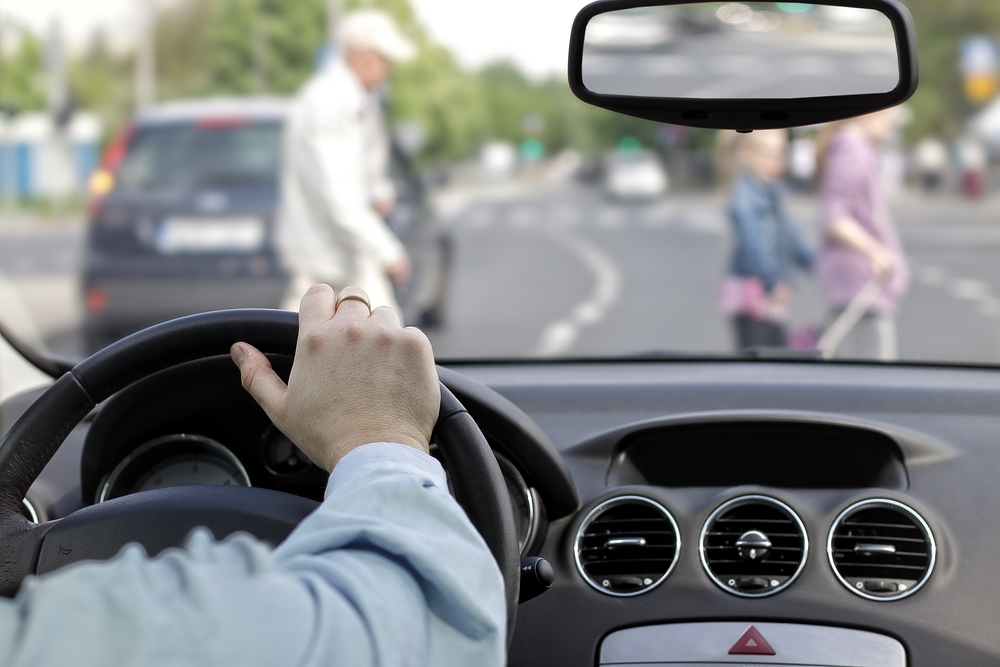
Pedestrians are among the most vulnerable people on California roads. Unlike drivers protected by airbags, seat belts, and vehicle frames, pedestrians have little protection when a collision occurs. Even low-speed impacts can result in devastating injuries, permanent disabilities, or fatalities.
California law recognizes these dangers and provides significant legal protections for pedestrians. Drivers are expected to exercise caution, remain alert, and respect pedestrian rights on roadways, at intersections, in parking lots, and at crosswalks. When drivers fail to do so, injured pedestrians may have the right to pursue compensation for medical expenses, lost income, pain and suffering, and other damages.
Unfortunately, insurance companies often attempt to minimize pedestrian injury claims or shift blame onto victims. At AK Injury Law Firm, Dr. Azadeh Keshavarz understands how difficult these cases can become. Before becoming a personal injury attorney, she worked as a doctor of chiropractic and witnessed firsthand how insurance companies often undervalue serious injuries. That experience motivated her to build a law firm focused on strategic and intelligent advocacy for accident victims. At AK Injury Law Firm, the approach is simple: Outthink, Outfight, Outwin.
Why Pedestrian Accidents Are Often Severe
Pedestrian accidents frequently lead to catastrophic injuries because the human body absorbs the full force of impact during a collision with a vehicle. Even when a car is traveling at relatively low speeds, the consequences for pedestrians can be life-changing.
Common pedestrian accident injuries include:
- Traumatic brain injuries
- Spinal cord injuries
- Broken bones
- Internal bleeding
- Pelvic injuries
- Facial fractures
- Neck and back injuries
- Permanent disabilities
Many victims require emergency treatment, surgery, rehabilitation, and long-term medical care. Some injuries leave lasting physical and emotional trauma that affects every aspect of a person’s life.
California Crosswalk Laws
California law provides strong protections for pedestrians using crosswalks. Drivers are generally required to yield the right-of-way to pedestrians crossing within marked or unmarked crosswalks at intersections.
Marked Crosswalks
Marked crosswalks are clearly identified by painted lines or traffic signals. Drivers approaching these areas must slow down, remain alert, and allow pedestrians to cross safely.
Failing to stop for a pedestrian in a marked crosswalk may create liability for any resulting injuries.
Unmarked Crosswalks
Many people are surprised to learn that California also recognizes unmarked crosswalks. An unmarked crosswalk generally exists at intersections where sidewalks meet, even if painted lines are not visible.
Drivers still have a duty to exercise caution and yield to pedestrians lawfully crossing at these intersections.
Drivers Must Exercise Due Care
California law requires drivers to use due care to avoid colliding with pedestrians. This obligation exists even when a pedestrian may not have technically had the right-of-way.
Drivers cannot simply ignore pedestrians because they believe the pedestrian made a mistake. Motorists are expected to remain attentive and take reasonable steps to avoid accidents whenever possible.
Pedestrian Rights Beyond Crosswalks
Pedestrian protections extend beyond traditional intersections and crosswalks. Drivers also owe duties of care in parking lots, residential neighborhoods, school zones, driveways, and commercial areas.
Parking Lots
Parking lots are common locations for pedestrian accidents because vehicles frequently back up, turn suddenly, and navigate tight spaces. Drivers are expected to move cautiously and watch carefully for pedestrians.
Pedestrians injured in parking lot accidents may still pursue compensation even though the accident occurred on private property.
School Zones
Drivers must exercise heightened caution near schools, playgrounds, and areas where children are present. Speed limits are often reduced in these areas to improve pedestrian safety.
Failing to slow down or remain alert near schools can lead to severe consequences for drivers involved in pedestrian collisions.
Sidewalk and Driveway Areas
Drivers entering or exiting driveways must yield to pedestrians using sidewalks. Many accidents occur when drivers focus only on vehicle traffic and fail to check for people walking nearby.
California’s Comparative Fault Rules
One important aspect of California law is the concept of comparative fault. Insurance companies often attempt to blame pedestrians for accidents by claiming they crossed improperly, were distracted, or entered traffic unexpectedly.
Under California’s comparative fault system, an injured pedestrian may still recover compensation even if they were partially responsible for the accident.
For example, a pedestrian may have crossed outside a designated crosswalk while a driver was simultaneously speeding or texting while driving. In that situation, liability may be shared between both parties.
Insurance companies frequently use comparative fault arguments to reduce settlement payouts. Strategic legal representation is critical to challenge exaggerated blame tactics and protect the victim’s rights.
Common Causes of Pedestrian Accidents
Pedestrian accidents happen for many reasons, but most involve some form of driver negligence.
Distracted Driving
Drivers using cell phones, GPS devices, or other distractions may fail to notice pedestrians crossing streets or walking nearby.
Distracted driving continues to be one of the leading causes of pedestrian injuries throughout California.
Speeding
Higher speeds dramatically increase both the likelihood and severity of pedestrian collisions. A pedestrian struck at high speed faces a much greater risk of catastrophic injury or death.
Failure to Yield
Drivers who fail to stop at crosswalks or intersections place pedestrians in serious danger. These accidents often occur because motorists are rushing, distracted, or inattentive.
Driving Under the Influence
Alcohol and drug impairment significantly reduce reaction time, judgment, and awareness. Impaired drivers are more likely to strike pedestrians, particularly during nighttime hours.
Poor Visibility
Low lighting, weather conditions, obstructed views, and poorly designed intersections can contribute to pedestrian collisions. Drivers still have a duty to remain cautious under these conditions.
How Insurance Companies Try to Minimize Pedestrian Claims
Insurance companies often aggressively defend pedestrian accident claims because serious injuries frequently result in high damages.
Adjusters may attempt to argue:
- The pedestrian crossed illegally
- The pedestrian was distracted by a phone
- The driver could not avoid the collision
- The injuries are exaggerated
- The victim had pre-existing conditions
- The pedestrian was difficult to see
These tactics are commonly used to reduce compensation or pressure victims into accepting low settlements.
At AK Injury Law Firm, Dr. Azadeh Keshavarz approaches these cases strategically. Her medical background provides unique insight into the true impact of injuries, while her legal experience allows the firm to challenge insurance company narratives with evidence-driven advocacy.
Evidence That Can Strengthen a Pedestrian Accident Case
Strong evidence often becomes the foundation of a successful pedestrian injury claim. Important evidence may include:
- Police reports
- Traffic camera footage
- Witness statements
- Medical records
- Photographs of the scene
- Vehicle damage documentation
- Cell phone records
- Accident reconstruction analysis
Quick action after an accident can help preserve critical evidence before it disappears.
Special Considerations in Fatal Pedestrian Accident Cases
Sadly, some pedestrian accidents result in fatalities. Families may be left dealing with emotional trauma, financial hardship, funeral costs, and the sudden loss of a loved one.
California law allows certain surviving family members to pursue wrongful death claims against negligent parties. These claims may seek compensation for:
- Funeral and burial expenses
- Loss of financial support
- Loss of companionship
- Emotional suffering
- Medical expenses incurred before death
Wrongful death cases often require extensive investigation and strategic litigation to establish liability and damages properly.
What Pedestrians Should Do After an Accident
Seek Immediate Medical Attention
Some injuries may not be immediately obvious after an accident. Prompt medical evaluation protects both health and legal claims.
Call Law Enforcement
A police report can document important details regarding the accident scene, driver information, witness statements, and roadway conditions.
Document the Scene
If possible, take photographs and videos of:
- The accident location
- Vehicle positions
- Traffic signals
- Crosswalk markings
- Visible injuries
- Road conditions
Gather Witness Information
Independent witness testimony can become extremely valuable if liability is disputed later.
Avoid Giving Recorded Statements
Insurance adjusters may attempt to obtain statements that weaken the victim’s claim. Speaking with an attorney before discussing the accident with insurers is often advisable.
Contact an Experienced Pedestrian Accident Attorney
Pedestrian injury cases can become highly complex, especially when severe injuries or comparative fault arguments are involved. Early legal guidance can help protect important rights and evidence.
Why Strategic Legal Representation Matters
Pedestrian accident claims are not simply about proving a collision occurred. They often require demonstrating how negligence caused life-altering injuries while countering insurance company attempts to shift blame.
Strategic representation means:
- Conducting thorough investigations
- Preserving critical evidence
- Understanding medical complications
- Identifying all liable parties
- Calculating long-term damages accurately
- Anticipating insurance defense tactics
Insurance companies are highly experienced at protecting their financial interests. Victims deserve equally experienced advocates protecting them.
How We Can Help
At AK Injury Law Firm, we understand how devastating pedestrian accidents can be for victims and their families. Dr. Azadeh Keshavarz brings a unique combination of medical knowledge and legal strategy to every case, allowing our firm to fully understand the long-term impact serious injuries can have on a person’s life. We know the tactics insurance companies use to minimize pedestrian injury claims, and we fight back with intelligent, evidence-driven legal strategies designed to maximize compensation. Our team works aggressively to investigate accidents, preserve critical evidence, and advocate for injured pedestrians every step of the way. At AK Injury Law Firm, we do not simply fight harder for our clients. We fight smarter. Outthink. Outfight. Outwin.
- California Vehicle Code section 21950 (pedestrian right of way)
- City of San Diego: Vision Zero traffic safety program
Related: San Diego pedestrian accident lawyer · San Diego car accident lawyer. Need help with your own case? Request a free case review.