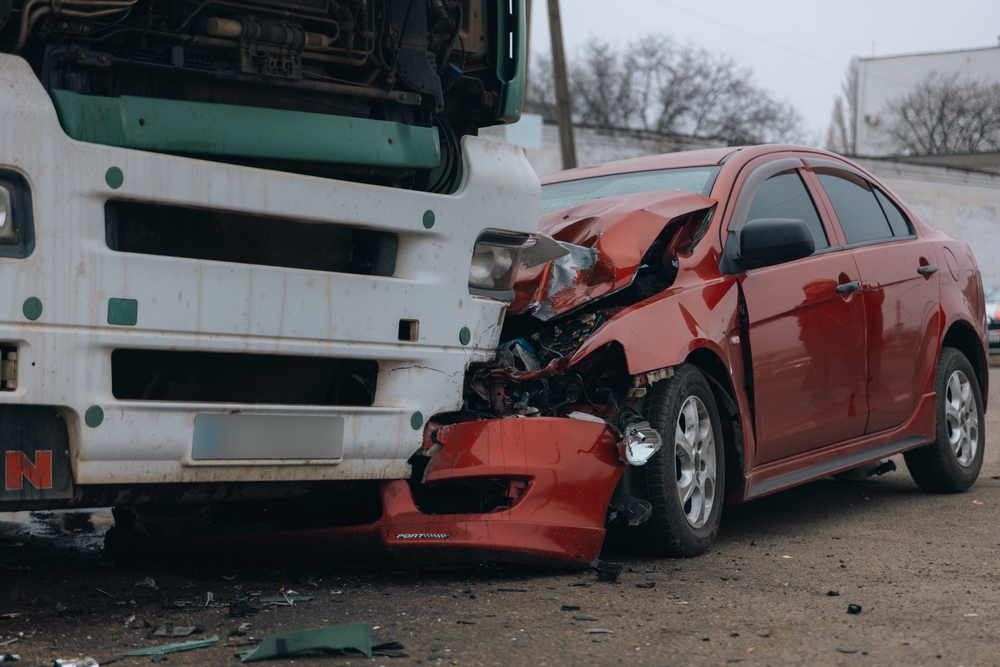
After a car accident, most people focus on immediate concerns — injuries, vehicle damage, insurance calls, and getting back to normal life. However, one of the most important documents created after a crash is often overlooked until later in the process: the police report. In many car accident cases, this single document can significantly influence how insurance companies evaluate claims, how liability is determined, and how negotiations unfold.
In San Diego, police reports play a critical role in personal injury cases because they provide an independent account of what happened at the scene. While a police report alone does not determine the outcome of a case, it often shapes the direction of insurance discussions and legal strategy. Understanding how police reports work — and how they affect your claim — can help accident victims avoid costly mistakes and protect their rights.
What Is a Police Report in a Car Accident Case?
A police report is an official document prepared by a law enforcement officer who responds to the scene of a car accident. The report typically includes information such as the date, time, and location of the accident, contact information for drivers and witnesses, vehicle details, insurance information, weather and road conditions, diagrams of the accident scene, and the officer’s observations.
In many cases, the officer may also include preliminary findings about what may have caused the accident or whether any traffic violations occurred. This information becomes highly valuable later when insurance companies begin evaluating fault and financial responsibility.
Although police reports are not automatically admissible as evidence in court in every situation, they often carry significant weight during insurance negotiations because they are created by a neutral third party shortly after the incident.
Why Police Reports Matter in San Diego Car Accident Claims
Insurance companies rely heavily on documentation when reviewing claims. A police report provides an initial framework for understanding the accident. Adjusters frequently review the report before speaking extensively with drivers or witnesses, which means the information contained in it can influence how the claim is approached from the beginning.
If the police report clearly identifies one party as responsible or notes a traffic violation, insurance companies may use that information to justify accepting or denying liability. On the other hand, if the report is incomplete or contains inaccuracies, insurers may use those gaps to question the claim or reduce settlement offers.
Because insurance companies are primarily focused on minimizing payouts, they often treat the police report as a starting point for negotiation rather than a final conclusion. This is where legal strategy becomes important.
What Information in a Police Report Has the Biggest Impact?
Several sections of a police report tend to carry the most influence in car accident cases:
Officer Observations: The officer’s notes about vehicle damage, driver behavior, road conditions, and statements made at the scene can shape how fault is interpreted.
Statements from Drivers and Witnesses: Early statements recorded in the report often become reference points later. Inconsistent statements may be used by insurance companies to challenge credibility.
Diagram of the Accident: A visual representation of how the accident occurred helps adjusters understand positioning and movement of vehicles.
Citations or Violations: If a driver receives a traffic citation, insurers may treat it as evidence of negligence.
Even small details can become significant when insurance companies are deciding how much a case is worth.
Common Problems Found in Police Reports
Despite their importance, police reports are not always perfect. Officers must often prepare reports quickly, sometimes based on incomplete information or conflicting statements. Mistakes can happen, including incorrect vehicle descriptions, inaccurate diagrams, or misunderstandings about how the accident occurred.
In some cases, injured drivers may not fully understand their injuries immediately after the crash and may tell officers they feel fine. Insurance companies later use these statements to argue that injuries were not serious or were unrelated to the accident.
Another common issue is when the officer does not witness the accident personally and must rely entirely on statements from those involved. This can lead to conclusions that do not fully reflect what actually happened.
How Insurance Companies Use Police Reports Against You
Insurance companies are skilled at analyzing police reports in ways that reduce their financial exposure. For example, if a report contains uncertainty about fault, insurers may argue shared responsibility to reduce compensation under California’s comparative negligence laws.
They may also focus on minor inconsistencies between the police report and later medical records or statements. Even small differences can be used to question credibility or delay settlement negotiations.
This is especially challenging for accident victims who assume the report automatically protects them. In reality, insurance companies often interpret reports in ways that benefit their position.
Can a Police Report Be Corrected?
If a police report contains factual errors, it may be possible to request a correction or supplemental report. This usually requires providing supporting documentation or evidence that demonstrates the mistake. However, officers are not required to change their opinions or conclusions.
Because of this limitation, correcting a police report is not always the most effective strategy. Instead, experienced attorneys often focus on gathering additional evidence such as photographs, surveillance footage, accident reconstruction analysis, and medical documentation to clarify what actually occurred.
The Role of Legal Strategy in Interpreting Police Reports
A police report is only one piece of the puzzle in a car accident case. What truly matters is how the information within the report is interpreted and presented. Strategic legal advocacy can identify inconsistencies, clarify missing details, and prevent insurance companies from using the report unfairly against an injured person.
At AK Injury Law Firm, this strategic approach is central to how cases are handled. Founder and lead attorney Dr. Azadeh Keshavarz brings a unique perspective to personal injury law. As a former doctor of chiropractic, she witnessed firsthand how insurance companies often treat accident victims and attempt to minimize legitimate injuries. That experience shaped her decision to become a personal injury attorney focused on protecting injured individuals.
Her approach is not simply aggressive — it is intelligent and calculated. By understanding both the medical and legal aspects of accident cases, she is able to identify weaknesses in insurance company arguments and build stronger cases for her clients. This is reflected in the firm’s guiding philosophy: Outthink, Outfight, Outwin.
How Police Reports Affect Settlement Value
The contents of a police report can influence settlement value in several ways. A clear report supporting the injured party’s version of events can strengthen negotiating leverage and encourage faster resolution. Conversely, a disputed or unclear report may require additional investigation before meaningful settlement discussions begin.
Insurance companies often assign preliminary value to claims early in the process. If the police report suggests uncertainty, insurers may initially offer lower settlements, expecting resistance or confusion from the injured party. Strategic legal representation helps shift this dynamic by introducing additional evidence that strengthens liability and damages claims.
What You Should Do After an Accident Regarding the Police Report
If you are involved in a car accident in San Diego, it is important to request a copy of the police report as soon as it becomes available. Review it carefully for accuracy and notify your attorney immediately if anything appears incorrect.
It is also important to avoid making assumptions about what the report means for your case. A report that seems unfavorable at first may still be successfully challenged with proper evidence and legal strategy.
Most importantly, avoid discussing the contents of the report directly with insurance adjusters without legal guidance. Statements made during these conversations may later be used against you.
How We Can Help
At AK Injury Law Firm, we understand that a police report is often just the beginning of a car accident case — not the final word. Led by Dr. Azadeh Keshavarz, our firm focuses on strategic advocacy designed to level the playing field against insurance companies. With years of experience and a deep understanding of how insurers evaluate injury claims, we build cases that go beyond surface-level documentation. If you have been injured in a car accident in San Diego, our team works to analyze every detail, challenge unfair interpretations, and pursue the compensation you deserve. Our approach is simple: Outthink, Outfight, Outwin.
`