Bicycle vs. Car Accidents: Why Cyclists Need Specialized Legal Help
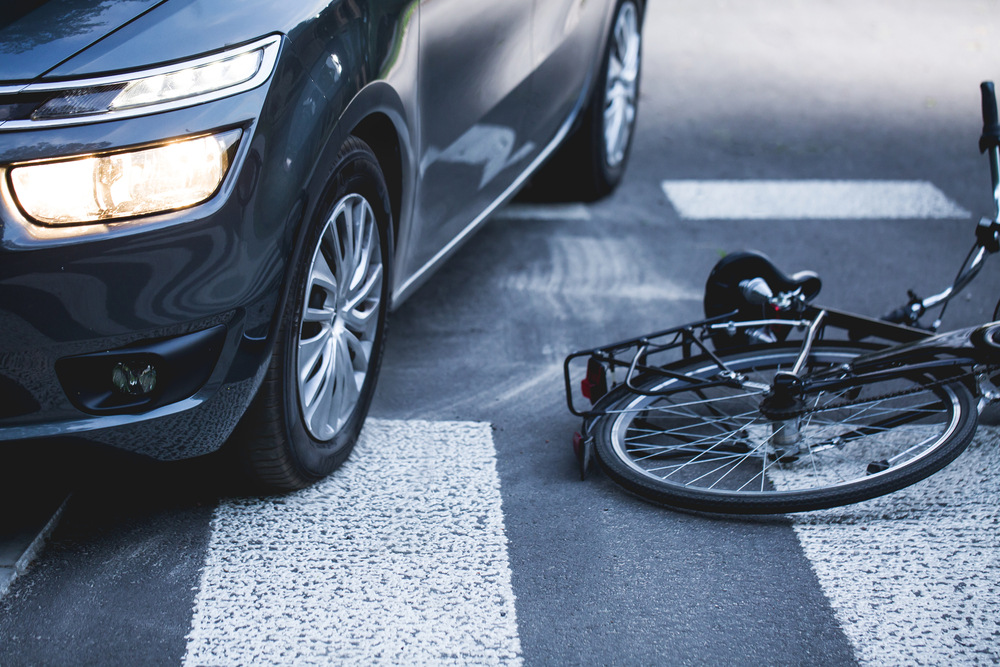
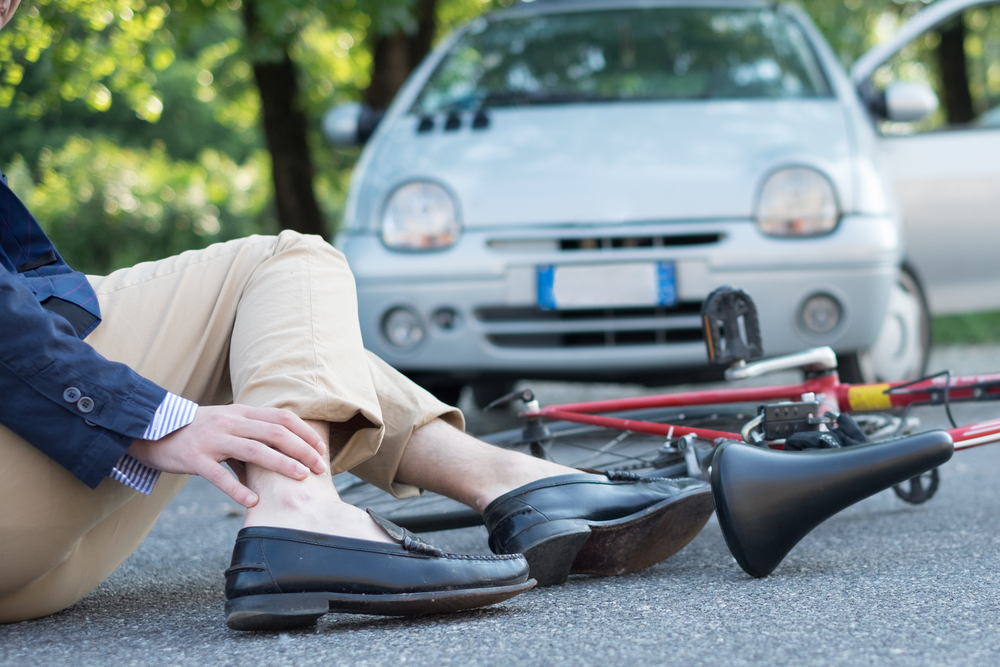
Bicycle accidents involving motor vehicles are some of the most dangerous collisions on San Diego roads. Unlike drivers protected by steel frames, airbags, and seat belts, cyclists have little protection against the force of a vehicle impact. Even low-speed collisions can leave bicyclists with severe injuries that permanently affect their health, mobility, and quality of life. Although many people assume bicycle accident claims work the same way as standard car accident cases, the reality is very different. Bicycle accident claims often involve unique legal challenges, insurance disputes, roadway issues, and injury complications that require a highly strategic legal approach. At AK Injury Law Firm, Dr. Azadeh Keshavarz understands these challenges firsthand. Before becoming a personal injury attorney, she worked as a doctor of chiropractic and treated accident victims dealing with painful injuries and difficult recoveries. After witnessing how insurance companies often minimize and undervalue injured victims, she built a law firm focused on fighting intelligently and strategically for clients. That mindset defines AK Injury Law Firm’s approach: Outthink, Outfight, Outwin. Why Bicycle Accidents Are Different From Standard Car Accidents Bicycle accident cases involve legal and factual issues that are often far more complicated than ordinary vehicle collisions. Insurance companies frequently treat cyclists unfairly, attempt to shift blame, or minimize the seriousness of injuries. Several key differences make bicycle accident claims unique. Cyclists Have Minimal Physical Protection Drivers involved in collisions are protected by multiple layers of safety equipment. Cyclists, on the other hand, are fully exposed to direct impact with vehicles, pavement, curbs, and other obstacles. As a result, bicyclists often suffer catastrophic injuries even when the vehicle involved sustains little or no damage. Insurance adjusters sometimes wrongly use minimal vehicle damage to argue that the cyclist could not have been seriously injured. This argument ignores the reality of how vulnerable cyclists are during collisions. Bicycle Injuries Tend to Be More Severe Bicycle accidents commonly result in: Traumatic brain injuries Spinal cord injuries Broken bones Road rash and severe skin abrasions Neck and back injuries Internal bleeding Facial fractures Permanent disability These injuries often require extensive medical treatment, surgeries, rehabilitation, and long-term care. Some victims may never fully recover physically or financially. Insurance Companies Often Blame Cyclists One of the most frustrating aspects of bicycle accident cases is the bias cyclists often face. Insurance companies frequently attempt to portray bicyclists as reckless, unpredictable, or partially responsible for collisions. Adjusters may claim the cyclist: Was riding too fast Failed to follow traffic laws Was difficult to see Made unsafe lane changes Did not wear visible clothing Failed to avoid the collision These tactics are commonly used to reduce compensation or deny liability entirely. A strategic legal investigation is often necessary to challenge these claims effectively. Common Causes of Bicycle vs. Car Accidents Bicycle accidents can happen almost anywhere, but certain types of driver negligence appear repeatedly in serious cyclist injury cases. Distracted Driving Drivers using phones, GPS devices, or other distractions may fail to notice cyclists sharing the roadway. Because bicycles are smaller than cars, distracted drivers may overlook them entirely until it is too late. Unsafe Turns Many collisions occur when drivers make left or right turns directly into a bicyclist’s path. Drivers often misjudge a cyclist’s speed or fail to check bicycle lanes before turning. Failure to Yield Drivers who fail to yield at intersections, stop signs, or crosswalks frequently cause severe bicycle crashes. Cyclists have legal rights on the roadway, yet many motorists fail to respect those rights. Dooring Accidents Dooring accidents happen when a parked driver suddenly opens a vehicle door into an approaching cyclist. These crashes can throw bicyclists directly into traffic and lead to devastating injuries. Unsafe Lane Changes Drivers who merge without checking blind spots or bicycle lanes may sideswipe cyclists or force them off the road. Speeding Higher vehicle speeds dramatically increase the severity of bicycle accident injuries. Even moderate-speed collisions can become fatal when a cyclist is involved. Driving Under the Influence Alcohol and drug impairment continue to play a major role in serious bicycle crashes. Impaired drivers have slower reaction times and reduced awareness of cyclists sharing the road. Why Cyclists Often Suffer Long-Term Injuries Bicycle accident victims frequently experience injuries that extend far beyond the initial emergency treatment period. Recovery can involve months or years of medical care, therapy, and physical limitations. Traumatic Brain Injuries Even when wearing helmets, cyclists can suffer concussions or traumatic brain injuries during impact. Brain injuries may cause memory loss, headaches, concentration problems, mood changes, and cognitive impairments. Some symptoms may not appear immediately, making prompt medical evaluation critically important. Spinal Injuries Back and neck injuries are extremely common in bicycle crashes. Herniated discs, nerve damage, spinal fractures, and chronic pain conditions may affect victims permanently. Orthopedic Injuries Broken wrists, arms, legs, ribs, and collarbones frequently occur when cyclists attempt to brace themselves during falls. Some fractures require surgical repair and lengthy rehabilitation. Psychological Trauma Many bicycle accident victims develop emotional trauma after serious collisions. Anxiety, depression, fear of riding again, and post-traumatic stress symptoms are common after severe crashes. Insurance companies often overlook the emotional and psychological effects of bicycle accidents despite their significant impact on a victim’s life. Road Conditions Also Play a Major Role Bicycle accident cases do not always involve driver negligence alone. Dangerous roadway conditions can significantly contribute to crashes. Hazards that may endanger cyclists include: Potholes Uneven pavement Poorly designed bike lanes Debris in the roadway Construction hazards Faded lane markings Drain grates Poor lighting Cyclists are far more vulnerable to roadway defects than drivers because even minor hazards can cause a rider to lose control. In some situations, government entities or construction companies may share responsibility for unsafe roadway conditions. Why Specialized Legal Representation Matters Bicycle accident claims require a different level of legal strategy and investigation than many standard vehicle accident cases. Understanding Cyclist Rights Many people do not fully understand California bicycle laws. Cyclists generally have the same rights and responsibilities as motor vehicle drivers