
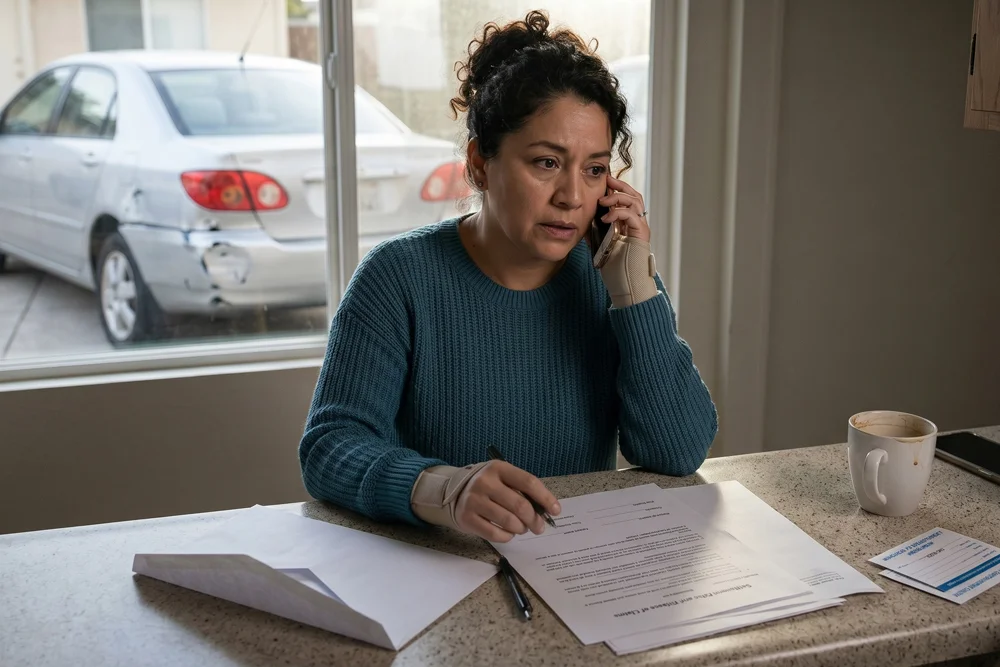
The first settlement offer after a car accident can feel like relief. You may be dealing with pain, car repairs, missed work, medical appointments, and pressure from every direction. Then the insurance company calls with money on the table. It may sound simple: sign the release, take the check, and move forward.
That offer may not be the help it appears to be. A quick settlement offer is often made before the full value of your claim is known. Insurance companies know that accident victims are under stress. They also know that many injuries take time to develop, medical bills can grow, and the true impact of a crash may not be clear for weeks or months.
At AK Injury Law Firm, a female owned personal injury law firm in San Diego, we help car accident victims understand what is really at stake before they accept anything from an insurance company. Founder and main attorney Dr. Azadeh Keshavarz brings a unique background to personal injury law. Before becoming an attorney, she was a doctor of chiropractic and saw how insurance companies treated accident patients. That experience led her to build a firm that fights with strategy, precision, and strength. Her slogan, Outthink, Outfight, Outwin, reflects the way AK Injury Law Firm approaches every claim.
Why Do Insurance Companies Make Quick Settlement Offers?
Insurance companies do not make fast offers because they are being generous. Their goal is often to close the claim before the injured person understands the full cost of the accident. The sooner a claim is resolved, the less financial risk the insurance company may face.
A quick offer can help the insurer:
- Limit the total payout before medical bills increase.
- Avoid future treatment costs that have not been documented yet.
- Prevent you from hiring a lawyer who may identify a higher claim value.
- Close the claim before symptoms worsen or new injuries are diagnosed.
- Get a signed release that ends your ability to pursue more compensation.
- Take advantage of financial pressure while you are missing work or paying bills.
Fast money can be tempting, but it may come with a serious tradeoff. Once a settlement is signed, your claim is usually over. If your injury gets worse later, you may not be able to go back and ask for more.
The Release Is the Real Risk
The check is what most people notice. The release is what matters most. A settlement release is a legal document that usually gives up your right to bring any future claim related to the accident.
That means if you accept a quick settlement and later discover that you need physical therapy, injections, surgery, specialist care, or months of additional treatment, the insurance company may not owe anything more. The release may protect the insurer, even if the original amount was nowhere near enough.
Before signing anything, you should understand what rights you are giving up. A settlement is not just a payment. It is an exchange. The insurance company gives money, and you give up the claim.
Why Early Offers Are Often Too Low
A quick settlement offer is usually based on limited information. The insurance company may not have your full medical records, future treatment plan, wage loss documentation, pain history, imaging results, or long-term diagnosis.
Without that information, the insurer may value the claim in a way that benefits the company, not the injured person.
Your Injuries May Not Be Fully Diagnosed Yet
Some injuries are obvious right away. Broken bones, deep cuts, and visible trauma may be clear at the scene. Other injuries can take time to show. Neck pain, back pain, headaches, dizziness, nerve symptoms, shoulder pain, hip pain, and soft tissue injuries may become more noticeable after the shock wears off.
Car accidents can also aggravate prior conditions. Insurance companies often use pre-existing conditions to reduce claim value, but aggravation of an old injury can still be serious. A quick settlement may ignore the difference between a person who had a manageable condition before the crash and a person whose life changed after the crash.
You May Not Know Whether You Need Future Care
Many accident victims begin with urgent care, primary care, chiropractic care, physical therapy, or pain management. Over time, a provider may recommend imaging, specialist evaluation, injections, or surgery. Future care can significantly affect the value of a claim.
If you settle before knowing whether future treatment is needed, you may be left paying those costs yourself.
Your Lost Income May Not Be Fully Calculated
A crash can affect your ability to work in several ways. You may miss days because of pain, doctor appointments, medication side effects, transportation problems, or physical restrictions. Some people return to work too soon because they cannot afford to miss more time, only to find that their symptoms get worse.
A quick settlement may not account for reduced hours, missed opportunities, long-term work limitations, or the effect of chronic pain on your ability to earn.
Pain and Suffering May Be Undervalued
Insurance companies may focus heavily on bills and receipts. But car accident injuries affect more than finances. Pain can interrupt sleep, parenting, exercise, relationships, driving confidence, and daily independence.
A low early offer may not reflect the human cost of the crash. The law recognizes that injury claims may include pain, suffering, inconvenience, emotional distress, and loss of enjoyment of life. These damages require careful documentation and a strong case narrative.
Why Insurance Companies Move Fast After a Crash
Timing is part of the strategy. Insurance companies understand that the days after a crash are stressful and confusing. You may not know what your claim is worth. You may not know how California insurance claims work. You may not know what medical care you will need.
That is exactly when a fast offer can be most effective for the insurer.
The adjuster may sound helpful and friendly. They may say the offer is fair, that it is the best they can do, or that accepting now will save you time. But the adjuster’s job is to protect the insurance company’s financial interests.
This does not mean every adjuster is dishonest. It means their goal is different from yours. Your goal is full and fair compensation. Their goal is to resolve the claim for as little as reasonably possible.
Common Pressure Tactics Used With Quick Settlement Offers
Some pressure tactics are obvious. Others are subtle. Recognizing them can help you avoid making a decision too quickly.
“This Offer Is Only Available Now”
An adjuster may imply that you need to accept quickly or risk losing the offer. This can create fear and urgency. A fair claim evaluation should not depend on panic.
“Your Injuries Are Minor”
The insurance company may look at property damage photos and assume your injuries cannot be serious. This is not always accurate. The force of a collision, the position of your body, your medical history, and the way your body responds all matter.
“You Do Not Need a Lawyer”
An insurance company may suggest that hiring a lawyer will slow things down or reduce your recovery. That advice benefits the insurer. A lawyer can review the offer, identify missing damages, handle communication, and build leverage.
“We Just Need to Close the File”
Closing the file may help the insurance company, but it may not help you. Your focus should be on your recovery and the full value of your claim, not the insurer’s internal timeline.
What Should You Know Before Accepting Any Settlement?
Before accepting a car accident settlement, you should have a clear understanding of your damages. That includes what has already happened and what may happen next.
- Have you completed medical treatment?
- Do you know whether you need future care?
- Have all medical bills been collected?
- Have you documented lost wages?
- Do you know whether your earning ability has been affected?
- Has fault been properly investigated?
- Have liens or medical payment issues been reviewed?
- Does the offer include pain and suffering?
- Does the release affect all future rights?
- Has a personal injury lawyer reviewed the offer?
If you cannot answer these questions confidently, the settlement may be premature.
How a Quick Settlement Can Hurt Your Case
The biggest danger of a quick settlement is not simply that the amount may be low. The bigger issue is that it can permanently close the claim before the damage is fully understood.
You May Be Responsible for Future Medical Bills
If you accept a settlement before future care is known, you may end up paying for later treatment out of pocket. This can include therapy, specialist visits, imaging, injections, medication, or procedures.
You May Lose the Right to Pursue More Compensation
Once the release is signed, the insurance company may have no obligation to pay more, even if new symptoms appear or your doctor changes the treatment plan.
You May Settle Before Liability Is Fully Proven
Sometimes an insurer offers a small amount before all evidence is collected. Police reports, witness statements, traffic camera footage, vehicle damage analysis, and medical documentation can all affect case value.
You May Undervalue the Long-Term Impact
A crash can affect life in ways that are not obvious right away. Chronic pain, driving anxiety, missed family responsibilities, sleep disruption, and reduced mobility can make daily life harder. These losses matter.
Why Medical Documentation Is So Important
Dr. Azadeh Keshavarz’s background as a former doctor of chiropractic gives AK Injury Law Firm a valuable perspective in car accident cases. Insurance companies often try to minimize injuries that are real but not always visible. They may argue that soft tissue injuries are minor, that treatment is excessive, or that symptoms are unrelated to the crash.
Strong medical documentation can push back against those arguments. Records can show pain levels, range of motion issues, diagnostic findings, treatment recommendations, work restrictions, and symptom progression.
When a lawyer understands both the medical and legal sides of a claim, the case can be presented more clearly. The insurance company should not be allowed to reduce a person’s pain to a number that ignores the actual recovery process.
What Makes a Settlement Fair?
A fair settlement should be based on evidence, not pressure. It should consider liability, insurance coverage, medical treatment, long-term prognosis, lost income, pain, suffering, and the way the accident affected your life.
A stronger settlement demand may include:
- A clear explanation of how the accident happened
- Evidence showing the other driver’s fault
- Complete medical records and bills
- Future care opinions when needed
- Proof of lost wages or reduced earning ability
- Photos of injuries and vehicle damage
- Witness statements
- A detailed explanation of pain and life impact
The stronger the evidence, the harder it becomes for the insurance company to justify an unfair offer.
Why Strategy Beats Speed
Fast does not always mean fair. A quick check may solve an immediate financial worry, but it can create larger problems if the claim is worth much more.
AK Injury Law Firm believes the best outcomes come from strategy. The firm does not fight blindly. It studies the insurer’s position, identifies weak arguments, gathers the right evidence, and builds pressure at the right time.
That is the meaning behind Outthink, Outfight, Outwin.
- Outthink: Understand the insurance company’s tactics before they control the claim.
- Outfight: Build evidence, challenge low offers, and push back with strength.
- Outwin: Pursue the best possible result through preparation, negotiation, and litigation when necessary.
A smart fight is not about rushing into conflict. It is about knowing when to negotiate, when to reject an offer, when to gather more evidence, and when to escalate.
What Should You Do If You Receive a Quick Settlement Offer?
If the insurance company offers money soon after the accident, do not panic and do not rush. You can protect yourself by slowing the process down and getting clarity.
Do Not Sign Anything Immediately
Ask for all settlement documents in writing. Review the release carefully. The wording may be broader than you expect.
Do Not Give Final Statements About Your Injuries
Avoid saying you are healed, fine, or done treating unless your medical providers have confirmed your condition and future care needs.
Keep Getting Medical Care
Follow your treatment plan. Gaps in care may give the insurer an excuse to argue that your injuries are not serious.
Collect Your Financial Losses
Save bills, receipts, pay stubs, employer letters, repair records, rental car expenses, and any other documents showing how the accident affected you financially.
Speak With a Personal Injury Attorney
A lawyer can review the offer, calculate damages, communicate with the insurance company, and help determine whether the settlement reflects the true value of your claim.
Why San Diego Accident Victims Should Be Careful
San Diego car accidents can happen on busy freeways, neighborhood streets, coastal roads, intersections, and parking lots. A crash on I-5, I-8, I-15, SR-163, or a local road can create medical, financial, and emotional stress almost instantly.
Insurance companies know that injured people often want the process to end quickly. But your recovery should not be rushed to fit the insurer’s timeline. The settlement should reflect the real impact of the accident, not the fastest number the company is willing to offer.
A quick offer may seem helpful today, but the better question is whether it will still feel fair six months from now.
What If You Already Accepted a Settlement?
If you already accepted a settlement, speak with a lawyer as soon as possible. Depending on the documents signed and the facts involved, your options may be limited, but it is still important to understand where you stand.
If you have not signed the release yet, do not sign until you get legal advice. If you received a check but have questions about whether the settlement is final, an attorney can review the paperwork and explain the risks.
The earlier you ask for help, the more options you may have.
How We Can Help
At AK Injury Law Firm, we help San Diego car accident victims avoid the costly mistake of accepting quick settlement offers that do not reflect the true value of their claims. Led by Dr. Azadeh Keshavarz, a former doctor of chiropractic and the founder of a female owned personal injury law firm, our team understands how insurance companies minimize accident injuries and pressure people into settling too soon. We review the offer, investigate the crash, document your injuries, calculate your damages, and fight strategically for the compensation you deserve. When the insurance company wants you to settle fast, AK Injury Law Firm is ready to help you slow down, think smarter, and Outthink, Outfight, Outwin.
- California Code of Civil Procedure section 335.1 (two-year injury deadline)
- California Department of Insurance: auto insurance guides
Related: San Diego car accident lawyer · our recent case results. Need help with your own case? Request a free case review.