
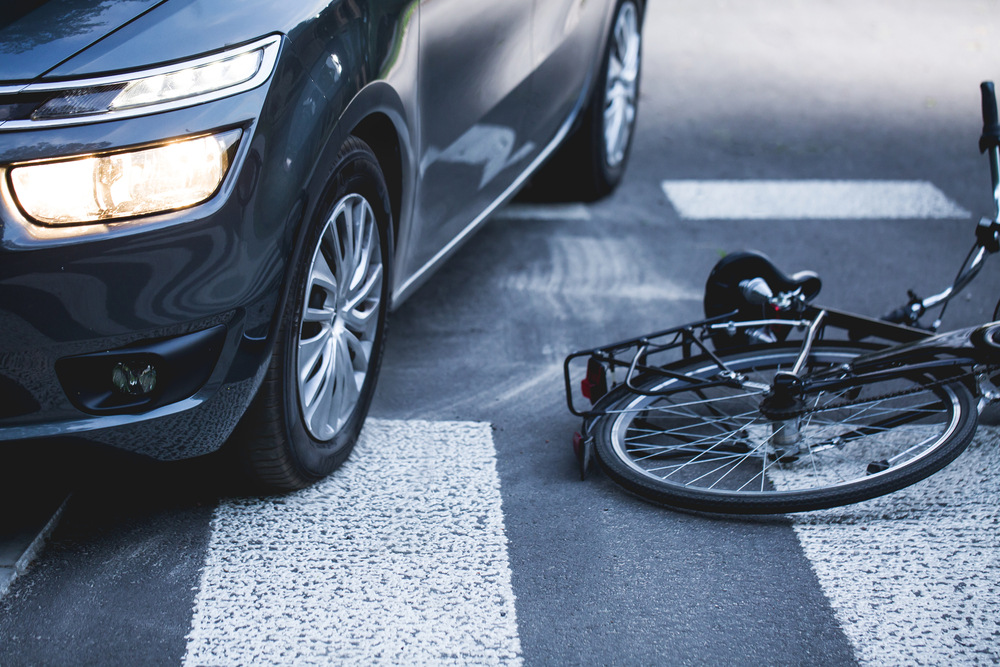
Pedestrian accidents are often associated with distracted drivers, speeding vehicles, or dangerous intersections. However, many serious pedestrian injuries begin with something much simpler: unsafe sidewalk conditions. Cracked concrete, uneven pavement, poor lighting, debris, missing curb ramps, and neglected walkways can all create dangerous situations that place pedestrians at risk.
For many people, sidewalks are supposed to provide safety and separation from vehicle traffic. When sidewalks are poorly maintained or improperly designed, they can force pedestrians into unsafe situations or directly cause devastating falls and injuries. In busy areas throughout San Diego, pedestrian traffic continues to grow as more residents walk for exercise, transportation, or recreation. At the same time, unsafe walking conditions continue to contribute to serious accidents.
At AK Injury Law Firm, Dr. Azadeh Keshavarz understands how devastating pedestrian injuries can be. Before becoming a personal injury attorney, she worked as a doctor of chiropractic and witnessed firsthand how insurance companies often undervalue and minimize injuries suffered by accident victims. That experience shaped the foundation of the firm’s approach. AK Injury Law Firm fights strategically and intelligently for injured clients with the mindset of “Outthink, Outfight, Outwin.”
Why Sidewalk Safety Matters
Sidewalks exist to protect pedestrians from vehicle traffic and create safe walking paths for the public. When sidewalks are damaged or neglected, pedestrians may lose that protection. Dangerous sidewalk conditions can lead to:
- Slip and fall accidents
- Trip and fall injuries
- Pedestrians stepping into traffic to avoid hazards
- Bicycle and scooter crashes
- Wheelchair accessibility accidents
- Child and elderly pedestrian injuries
Even what appears to be a small sidewalk defect can lead to catastrophic injuries. Uneven concrete measuring just a few inches can cause someone to fall unexpectedly, especially older adults, children, or individuals carrying bags or pushing strollers.
In many cases, these injuries occur suddenly and leave victims with little time to react. Head trauma, broken bones, spinal injuries, torn ligaments, and chronic pain are common outcomes of sidewalk-related pedestrian accidents.
Common Sidewalk Conditions That Cause Pedestrian Accidents
Uneven Sidewalk Surfaces
One of the most common causes of pedestrian injuries involves uneven pavement. Sidewalk slabs can shift over time due to tree roots, soil movement, weather conditions, or poor construction. Even slight elevation differences can create serious tripping hazards.
These accidents frequently happen in residential neighborhoods, shopping centers, apartment complexes, and near commercial buildings where maintenance has been ignored for extended periods.
Cracked Concrete
Cracked sidewalks are more dangerous than many property owners realize. Large cracks can catch a pedestrian’s foot and immediately cause a loss of balance. In some situations, cracks widen over time and become difficult to navigate safely.
Cracked pavement can become especially hazardous at night when visibility is reduced.
Poor Lighting
Lighting plays a major role in pedestrian safety. A sidewalk may already contain hazards, but poor lighting prevents pedestrians from seeing them in time to avoid injury.
Dimly lit sidewalks near parking lots, apartment complexes, commercial properties, and public walkways often contribute to nighttime accidents. Poor visibility may also increase the likelihood of a pedestrian being struck by a vehicle.
Obstructed Walkways
Sidewalks blocked by construction materials, overgrown vegetation, debris, parked scooters, or improperly placed signs can force pedestrians into dangerous situations. When people are pushed into bike lanes or traffic to avoid obstacles, the risk of serious injury increases significantly.
Property owners and businesses may be responsible for ensuring sidewalks remain reasonably clear and safe for public use.
Slippery Surfaces
Water leaks, spilled liquids, algae growth, recently washed sidewalks, and improperly maintained surfaces can create slipping hazards. Slippery conditions are particularly dangerous for elderly pedestrians who may suffer fractures or head injuries from falls.
Missing or Unsafe Curb Ramps
Pedestrians using wheelchairs, walkers, strollers, or bicycles rely heavily on curb ramps for safe access. Missing or damaged ramps may create accessibility issues and force individuals into traffic lanes or unsafe crossings.
Unsafe curb designs may also violate accessibility standards and increase liability exposure for property owners or municipalities.
How Dangerous Sidewalks Lead to Vehicle-Related Pedestrian Accidents
Not all sidewalk-related pedestrian accidents involve direct falls. Sometimes, unsafe sidewalks force pedestrians into traffic where they become vulnerable to collisions with vehicles.
For example, a pedestrian may step off the sidewalk to avoid:
- Construction debris
- Broken pavement
- Flooded sidewalks
- Blocked pathways
- Unsafe wheelchair access
Once in the roadway, the pedestrian may be struck by a distracted, speeding, or negligent driver. In these situations, multiple parties may share liability depending on the circumstances.
Determining responsibility in these cases requires a strategic legal investigation that examines both roadway conditions and driver negligence.
Who May Be Liable for Sidewalk-Related Pedestrian Injuries?
Liability for sidewalk accidents can become complex because responsibility may involve several different parties. Determining fault often requires reviewing maintenance records, city ordinances, inspection reports, photographs, witness statements, and surveillance footage.
Property Owners
Commercial and residential property owners may have a duty to maintain sidewalks adjacent to their property depending on local laws and maintenance obligations.
If a property owner knew or should have known about a dangerous condition and failed to address it within a reasonable period of time, they may be held liable for resulting injuries.
Businesses
Businesses that create sidewalk hazards through outdoor displays, construction activity, spills, or negligent maintenance may face liability if a pedestrian becomes injured.
Shopping centers, restaurants, apartment complexes, and retail stores often experience high foot traffic and may have additional responsibilities to ensure pedestrian safety.
Government Entities
In some situations, city or municipal agencies may be responsible for sidewalk maintenance. Claims involving government entities are often far more complicated than standard personal injury cases because strict deadlines and procedural requirements apply.
Failing to file a government claim on time can jeopardize a victim’s ability to pursue compensation.
Construction Companies
Construction crews working near sidewalks must properly secure work areas and provide safe pedestrian access. Improper barricades, exposed hazards, debris, or unsafe detours can create dangerous walking conditions.
If a construction company fails to protect pedestrians adequately, it may be liable for injuries resulting from unsafe conditions.
Common Injuries Caused by Sidewalk-Related Pedestrian Accidents
Pedestrian accidents involving dangerous sidewalks often result in severe physical injuries. Victims frequently suffer injuries that require long-term medical treatment, rehabilitation, and time away from work.
Traumatic Brain Injuries
Falls onto concrete surfaces can cause serious head trauma even when the impact initially appears minor. Brain injuries may lead to memory problems, headaches, dizziness, cognitive difficulties, and long-term neurological complications.
Broken Bones
Fractures involving the wrists, hips, ankles, arms, and legs are extremely common in sidewalk fall accidents. Elderly victims are especially vulnerable to hip fractures that may require surgery and prolonged rehabilitation.
Spinal Injuries
Back and neck injuries often occur when pedestrians land awkwardly during a fall. Some victims develop chronic pain conditions, disc injuries, or mobility limitations that affect daily life permanently.
Soft Tissue Injuries
Torn ligaments, muscle injuries, sprains, and joint damage can create long-lasting pain and physical limitations. Insurance companies frequently attempt to minimize these injuries despite their serious impact on quality of life.
Facial Injuries
Pedestrians who fall forward may suffer dental injuries, facial fractures, lacerations, or permanent scarring. These injuries often carry both physical and emotional consequences.
Why Insurance Companies Fight Sidewalk Injury Claims
Insurance companies often aggressively challenge sidewalk accident claims. Adjusters may argue that:
- The hazard was “open and obvious”
- The pedestrian was distracted
- The injuries are exaggerated
- The victim had pre-existing conditions
- The property owner lacked notice of the hazard
These defenses are commonly used to reduce payouts or deny valid claims entirely. Insurance companies understand that many injured individuals may not know how to gather the evidence necessary to prove liability.
This is where strategic legal representation becomes critical.
At AK Injury Law Firm, Dr. Azadeh Keshavarz uses both her medical background and legal experience to identify the full extent of injuries and expose insurance tactics designed to undervalue claims. Her approach is not simply aggressive; it is calculated, evidence-driven, and strategically focused on maximizing results for injured clients.
Important Evidence in Sidewalk Accident Cases
Strong evidence often determines the success of a pedestrian injury claim. After a sidewalk-related accident, important evidence may include:
- Photographs of the dangerous condition
- Video surveillance footage
- Witness statements
- Medical records
- Incident reports
- Maintenance records
- Prior complaints about the sidewalk hazard
- Expert evaluations
Conditions may be repaired quickly after an accident occurs, making early investigation extremely important. Preserving evidence immediately can significantly strengthen a victim’s case.
What Injured Pedestrians Should Do After an Accident
Seek Medical Attention Immediately
Even if injuries appear minor initially, medical evaluation is important. Some injuries may worsen over time or remain hidden for hours or days after the incident.
Document the Scene
Take photographs and videos of the sidewalk condition, surrounding area, lighting conditions, and any contributing hazards.
Report the Incident
Notify the property owner, business manager, or appropriate government agency about the accident.
Obtain Witness Information
Witness statements can become valuable evidence if liability is disputed later.
Avoid Speaking With Insurance Adjusters Alone
Insurance representatives may attempt to obtain recorded statements that can later be used against the injured person.
Contact a Pedestrian Accident Attorney
Pedestrian accident cases involving dangerous sidewalks often require detailed investigations and strategic legal planning. Early legal guidance can help protect important evidence and strengthen a claim.
How We Can Help
At AK Injury Law Firm, we understand how devastating pedestrian accidents can be physically, emotionally, and financially. Dr. Azadeh Keshavarz brings a unique perspective to every case because of her background as a doctor of chiropractic and her firsthand understanding of how injuries affect victims long after an accident occurs. Our firm knows the strategies insurance companies use to minimize claims, and we fight back with intelligent preparation, strong evidence, and calculated legal strategies designed to maximize compensation. Whether your injuries were caused by a dangerous sidewalk, unsafe property conditions, or a pedestrian collision involving multiple liable parties, our team is ready to stand beside you every step of the way. At AK Injury Law Firm, we do not just fight harder. We fight smarter. Outthink. Outfight. Outwin.
- California Government Code section 911.2 (six-month government claim deadline)
- City of San Diego: Get It Done (report sidewalk and street hazards)
Related: San Diego pedestrian accident lawyer · San Diego slip and fall lawyer. Need help with your own case? Request a free case review.