San Diego Car Accident Lawyer
When you’ve been involved in a car accident, the road to recovery can feel overwhelming. Between doctor’s visits, insurance calls, lost wages, and the stress of mounting bills, it’s easy to feel like you’re fighting an uphill battle. That’s why choosing the right San Diego car accident lawyer is critical. You need an advocate who doesn’t just fight—but fights strategically, with intelligence and determination to secure the justice and compensation you deserve.
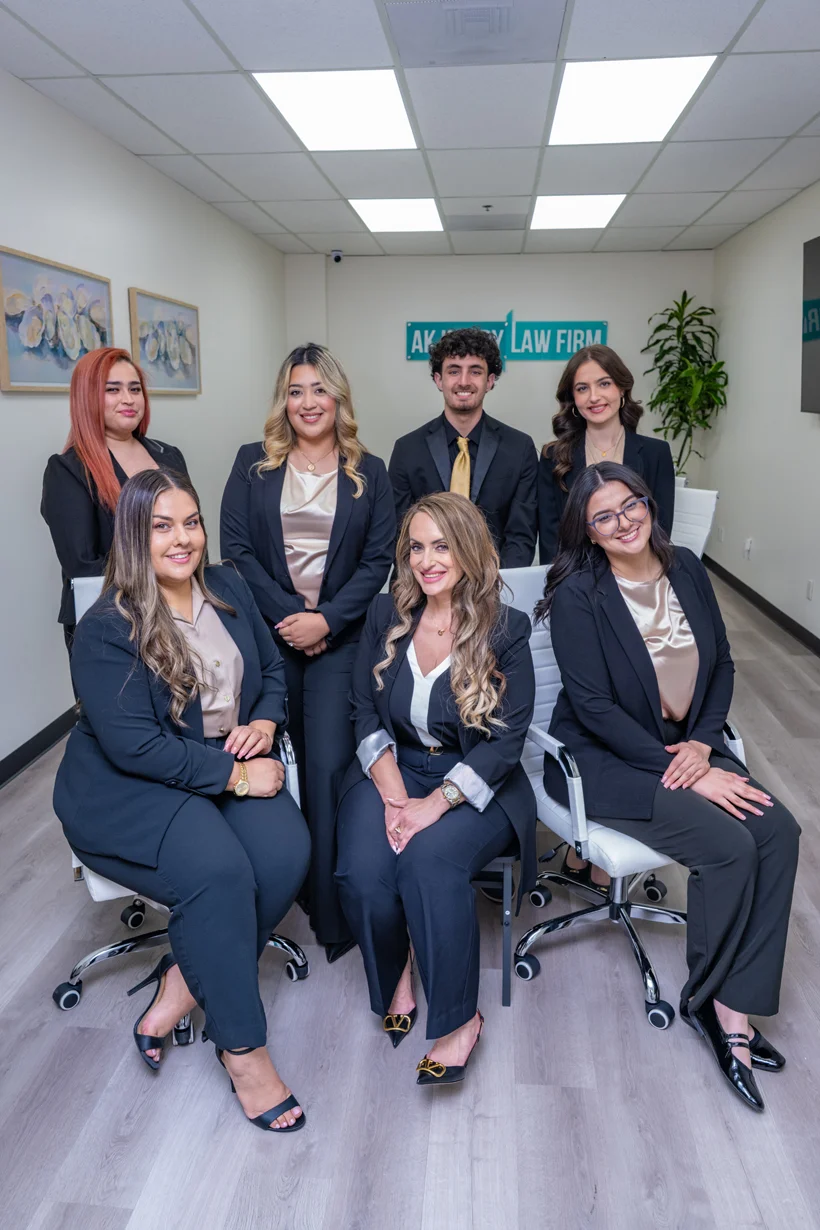
At AK Injury Law Firm, our founder, Dr. Azadeh Keshavarz, brings a rare and powerful perspective to personal injury law. As a former doctor of chiropractic, she witnessed firsthand how insurance companies dismiss and mistreat injured accident victims. Determined to change the system, she became a personal injury attorney dedicated to leveling the playing field. Today, she uses both her medical knowledge and her legal expertise to build strong cases for clients—cases that outthink, outfight, and outwin the opposition.
Why Choose a San Diego Car Accident Lawyer?
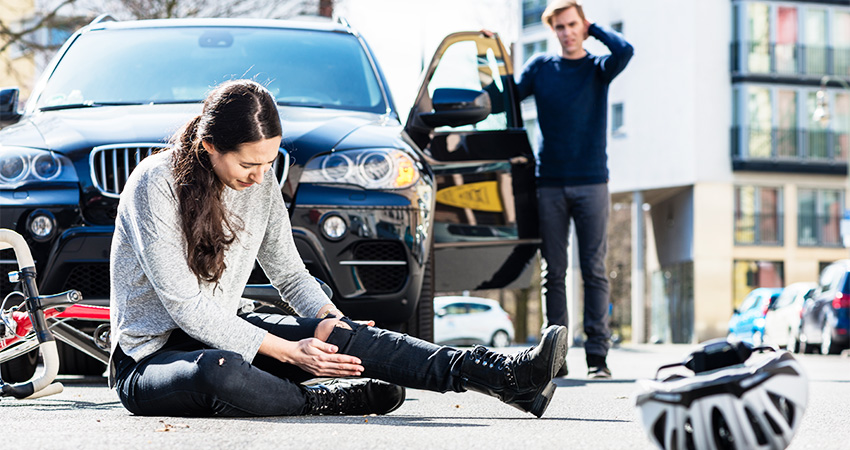
Car accidents can have life-altering consequences. Beyond the immediate physical injuries, victims often suffer financial strain, emotional trauma, and uncertainty about their future. Insurance companies may appear friendly on the surface, but their primary goal is to minimize payouts. Without skilled representation, you risk being taken advantage of during a vulnerable time.
Working with an experienced San Diego car accident lawyer ensures:
Protection of your rights – Insurance companies employ teams of lawyers; you deserve one on your side too.
Accurate case valuation – An attorney ensures that your settlement covers not only current medical bills but also future treatment, lost wages, and non-economic damages like pain and suffering.
Peace of mind – With a lawyer handling negotiations and deadlines, you can focus on healing.
The Unique Advantage of Dr. Azadeh Keshavarz
What sets AK Injury Law Firm apart is the background and perspective of its founder. Dr. Azadeh Keshavarz is not just a lawyer; she’s a medical professional who understands the human body, injury recovery, and the tactics insurance adjusters use to downplay legitimate claims.
Medical Knowledge Meets Legal Strategy
Deep understanding of injuries such as whiplash, spinal trauma, and soft tissue damage.
Ability to interpret medical reports and counter insurance attempts to minimize them.
Strategic case-building is grounded in both medical science and legal precedent.
Female-Owned and Client-Focused
As a female-owned law firm, AK Injury Law takes a compassionate, client-centered approach. Clients often remark on the firm’s ability to listen, empathize, and truly understand the struggles that come after an accident. The firm’s motto—Outthink, Outfight, Outwin—captures Dr. Keshavarz’s philosophy. Success in car accident cases isn’t just about aggression; it’s about being smarter than the opposition, anticipating their tactics, and building airtight strategies that deliver results.
Common Causes of Car Accidents in San Diego
San Diego’s busy streets and highways, from I-5 to I-805, see thousands of accidents every year. Some of the most common causes include:
Distracted driving – Texting, eating, or using navigation devices behind the wheel.
Speeding – Driving too fast for conditions, especially on congested freeways.
Impaired driving – Accidents involving alcohol or drugs remain a major issue.
Reckless or aggressive driving – Tailgating, weaving, or ignoring traffic laws.
Weather-related accidents – Rain can create dangerous, slick road conditions.
Understanding the cause of your accident is critical to proving negligence, and your San Diego car accident lawyer will investigate thoroughly to establish liability.
Types of Car Accident Injuries
Car accidents can result in a wide range of injuries, from minor to catastrophic. At AK Injury Law Firm, we represent clients suffering from:
Whiplash and neck injuries
Concussions and traumatic brain injuries (TBI)
Spinal cord injuries and paralysis
Broken bones and fractures
Internal organ damage
Lacerations and soft tissue injuries
Chronic pain conditions resulting from the accident
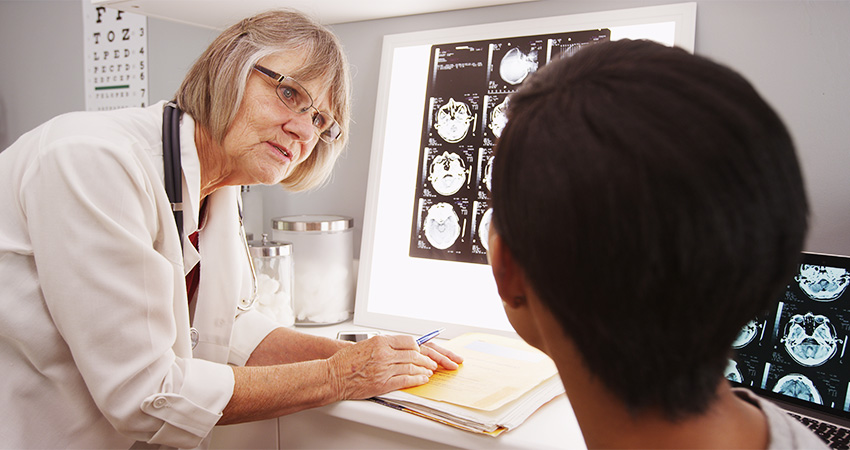
Because Dr. Keshavarz has a medical background, she can identify the long-term implications of these injuries more effectively than most attorneys.
What Compensation Can You Recover?
When filing a personal injury claim after a car accident, victims may be entitled to compensation for:
Medical expenses – Past, present, and future treatment costs.
Lost wages – Income lost due to inability to work.
Loss of earning capacity – If injuries prevent you from returning to your profession.
Pain and suffering – Physical pain and emotional trauma.
Property damage – Vehicle repairs or replacement.
Loss of enjoyment of life – If injuries limit your daily activities.
An experienced San Diego car accident lawyer ensures you don’t leave money on the table.
Steps to Take After a Car Accident
Knowing what to do immediately after a crash can greatly impact your case outcome. Here are the steps AK Injury Law recommends:
Call 911 – Ensure safety and get a police report.
Seek medical attention – Even if injuries seem minor, get checked.
Document the scene – Take photos and videos of vehicles, injuries, and road conditions.
Exchange information – Gather driver and witness contact details.
Avoid admitting fault – Even saying “sorry” can be used against you.
Contact a lawyer – Call a skilled San Diego car accident lawyer before speaking with insurance adjusters.
How AK Injury Law Firm Builds Strong Cases
At AK Injury Law Firm, every case is built on a foundation of strategy and precision. Our approach includes:
Thorough investigation – Collecting evidence such as police reports, witness statements, medical records, and accident reconstruction.
Expert consultation – Working with medical experts, accident reconstructionists, and vocational specialists.
Aggressive negotiation – Standing up to insurance companies and pushing back against unfair offers.
Litigation readiness – Preparing every case as if it’s going to trial, giving us leverage during settlement discussions.
Why Local Representation Matters
San Diego has its own courts, judges, and legal nuances. A San Diego car accident lawyer familiar with local processes gives you an advantage:
Knowledge of how local insurers operate.
Familiarity with San Diego’s roads and accident hotspots.
Relationships with local courts and experts.
This local insight ensures your case is handled with efficiency and accuracy.
Why Insurance Companies Fear Smart Lawyers
Insurance companies are prepared to handle aggressive lawyers—they face them every day. What they aren’t prepared for are attorneys who outthink them. By combining her medical expertise with sharp legal strategies, Dr. Keshavarz anticipates insurer tactics and dismantles them before they can reduce client payouts.
This is why the firm’s motto—Outthink, Outfight, Outwin—isn’t just a slogan; it’s a proven method.
Fully Funded Cases and Direct Access to Dr. Keshavarz
Serious car accident cases often need accident reconstruction, medical experts, depositions and, sometimes, a trial. AK Injury Law Firm advances every one of those costs, so you never pay anything up front, and if we do not win, you owe nothing: no attorney fee and no repayment of costs. Our firm has recovered millions of dollars for injured clients, though past results do not guarantee a similar outcome. As a boutique firm, Dr. Azadeh Keshavarz personally handles every case, and you can reach her directly.
When to Contact a San Diego Car Accident Lawyer
If you’ve been involved in a car accident, don’t wait to seek representation. California law generally gives you two years from the date of the accident to file a personal injury claim, but the sooner you act, the stronger your case will be. Evidence fades, witnesses move, and memories blur—your attorney can preserve the details before it’s too late.
Let AK Injury Law Firm Fight for You
If you or a loved one has been injured in a car accident, you don’t have to face insurance companies alone. At AK Injury Law Firm, Dr. Azadeh Keshavarz combines medical insight, legal experience, and strategic advocacy to give you the strongest possible representation.
Contact us today for a free consultation with a trusted San Diego car accident lawyer who will fight smart, fight hard, and fight for the justice you deserve.